Tell us about the job
Takes about a minute. No obligation.
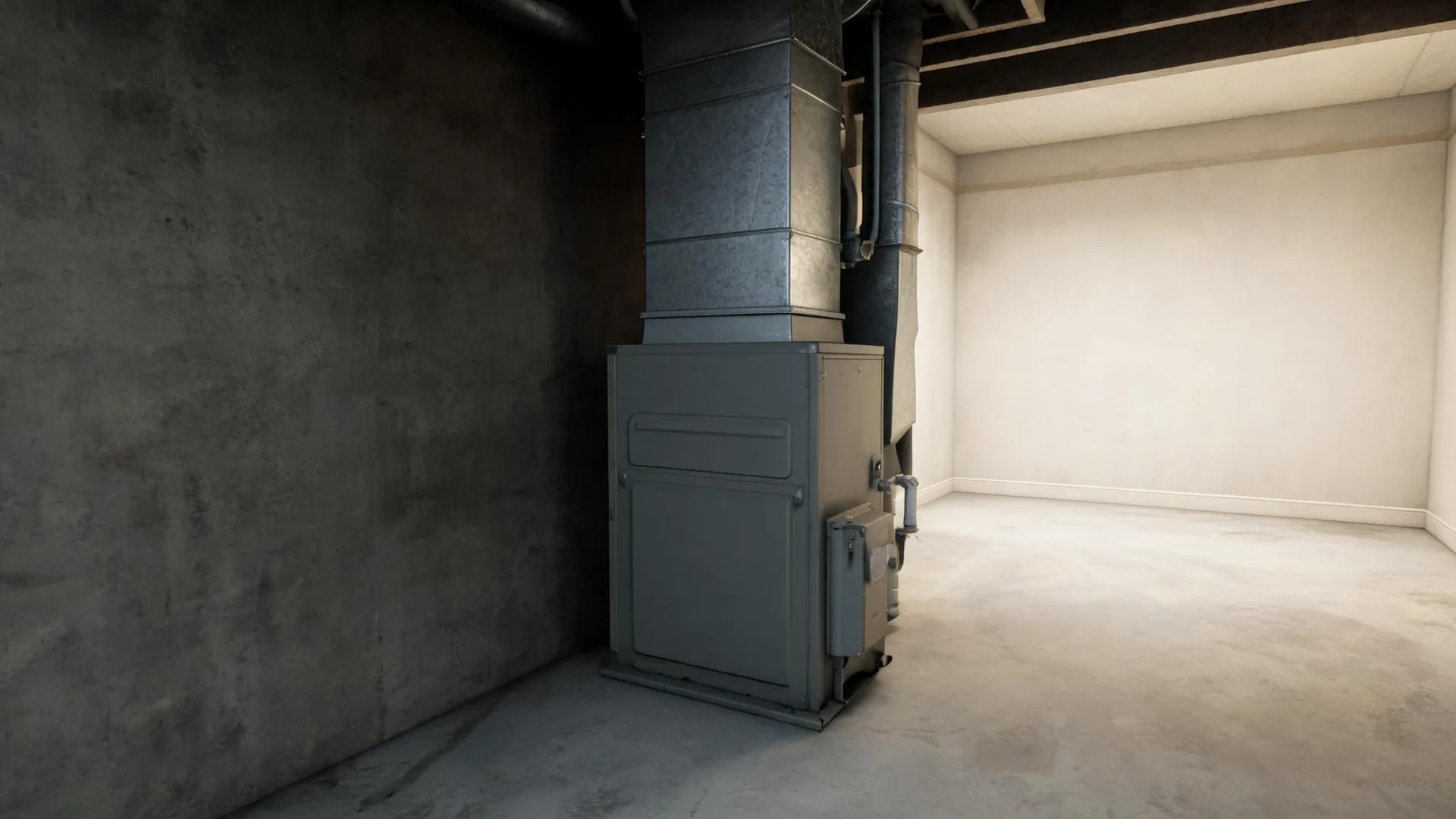
The burner fires, the igniter cycles, and the heat exchanger flexes with every heating call. Homes in Campbell County, WY run heat about ten months a year, from September through June. Repeated thermal expansion and contraction across that many cycles wears the igniter and heat exchanger harder than any other components in the system. A contractor troubleshooting a furnace here checks those parts first, because they are where accumulated wear shows up. Ductwork connections and the blower motor follow, but cracked or weakened igniters and heat exchanger fatigue account for most of what gets found.
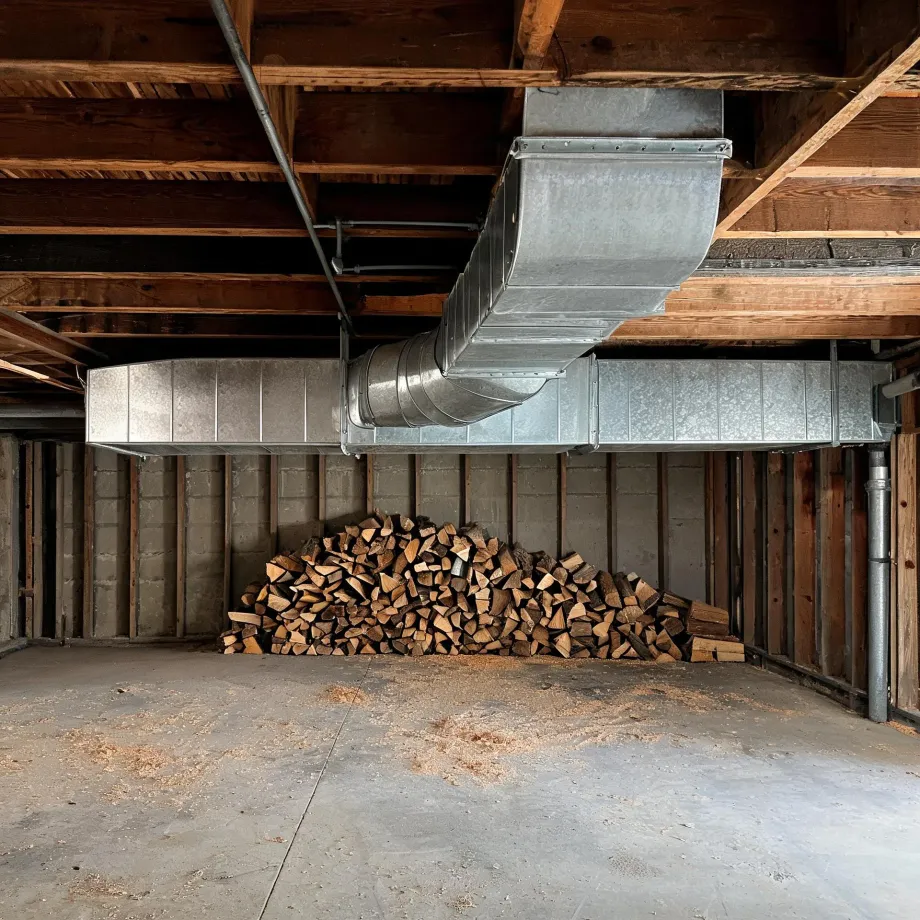
Ductwork in a house this old carries the history of every heating season it has run through: cracked heat exchangers, worn inducer motors, and degraded seals are what a contractor finds once the furnace is open, and those findings come from accumulated stress, not from obsolete hardware. Half the homes in Campbell County, Wyoming were built in 1991 or earlier (2020-2024 ACS 5-year). That means a repair quote here is driven by physical condition, not by parts availability, and a contractor who opens the unit is looking at what the equipment has actually been through, not at a catalog gap.
The Parts of a Furnace a Contractor Checks First
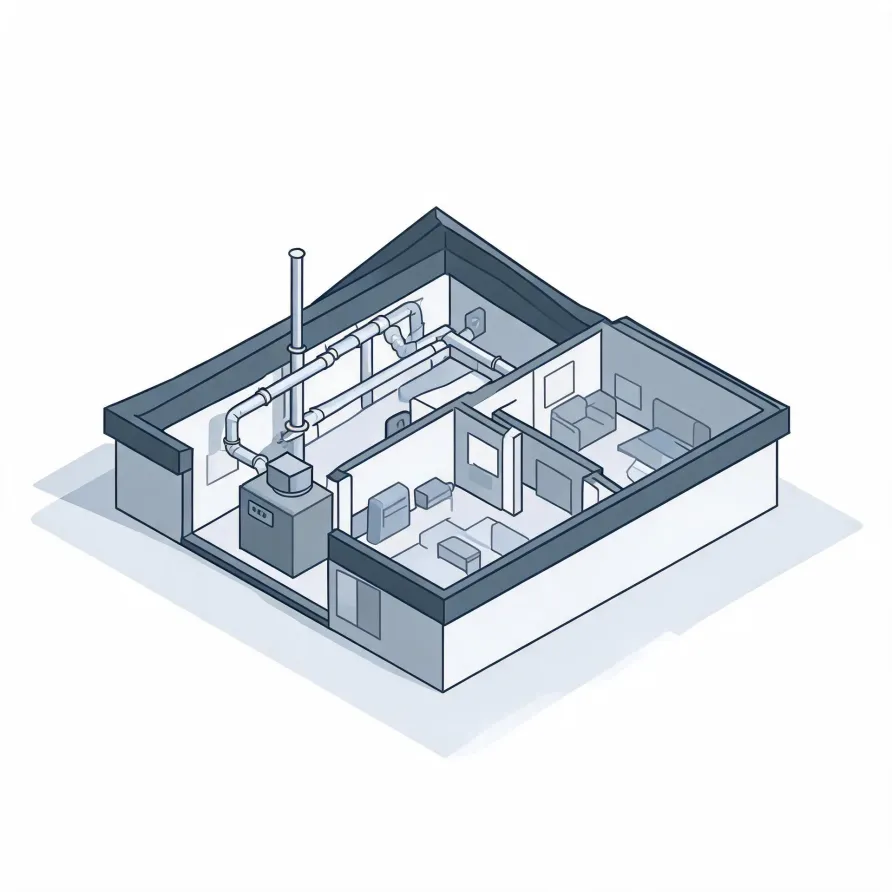
The furnace cabinet sits in a basement, utility room, or closet and holds the components a contractor reaches for first when something fails. Inside it, the heat exchanger does the work of warming air and is a common fault point when a furnace runs but heat does not follow. The burner assembly, which produces the flame, and the igniter, which starts it, are checked early because either one can stop a furnace from firing at all.
The blower motor and its fan wheel sit at the base of the cabinet and push conditioned air out into the house. The flue pipe runs from the cabinet to an outside vent and carries combustion gases away. A contractor also looks at the control board, which coordinates the sequence of operation, and at safety switches like the limit switch, which cuts the system when temperatures inside the cabinet climb past a set point.
The drawing shows a typical furnace layout, and a licensed contractor determines which components apply to the specific equipment and configuration in your home.
Find a contractor in Campbell CountyCampbell County, Wyoming, by the numbers
472 severe weather events were recorded in Campbell County, Wyoming between 2015 and 2024.
NOAA National Centers for Environmental Information, Storm Events Database, bulk CSV export, events 2015-01-01 through 2024-12-31.Half the homes in Campbell County, Wyoming were built in 1991 or earlier (2020-2024 ACS 5-year).
U.S. Census Bureau, 2020-2024 American Community Survey 5-Year EstimatesCampbell County, Wyoming holds 20,023 housing units (2020-2024 ACS 5-year).
U.S. Census Bureau, 2020-2024 American Community Survey 5-Year EstimatesOwners occupy 77.7% of the occupied homes in Campbell County, Wyoming (2020-2024 ACS 5-year).
U.S. Census Bureau, 2020-2024 American Community Survey 5-Year EstimatesCodes & Standards Governing Furnace Repair in Campbell County, Wyoming4 sourced rules and standards
What Happens When a Contractor Comes Out
Non-weatherized gas furnaces manufactured on or after November 19, 2015 must reach 80.0 percent AFUE.
Non-weatherized oil-fired furnaces manufactured on or after November 19, 2015 must reach 83.0 percent AFUE.
Mobile home gas furnaces manufactured on or after November 19, 2015 must reach 80.0 percent AFUE.
Non-weatherized gas furnaces manufactured on or after December 18, 2028 must reach 95.0 percent AFUE, up from the 80.0 percent minimum that applies to units manufactured before that date.
Severe Weather Events in Campbell County
Extreme weather puts real stress on furnace components, and how hard a system works over its lifetime depends heavily on local conditions. Repair needs in Campbell County are shaped by what the weather here actually does, which is why the pattern matters.
472 severe weather events, 2015–2024. Source: NOAA National Centers for Environmental Information, Storm Events Database.