Tell us about the job
Takes about a minute. No obligation.
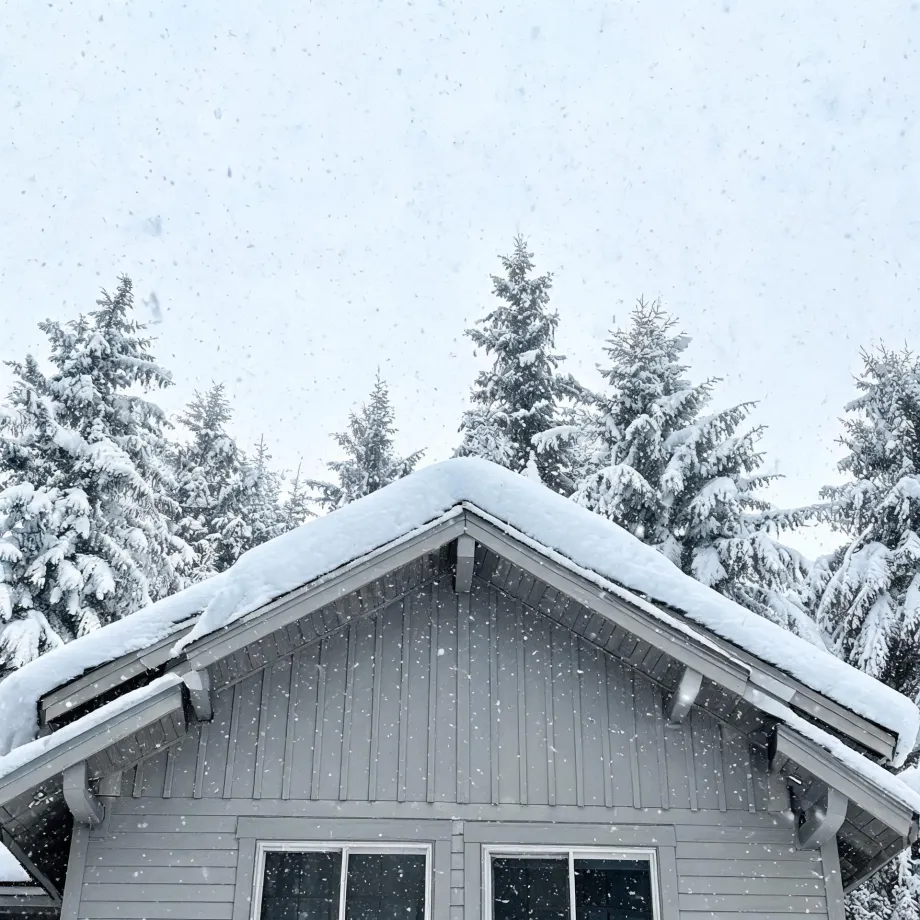
A furnace repair in Niobrara County starts with the burner assembly and ignition system, because those are the parts that cycle every time the heat comes on. Homes in Niobrara County, WY run heat about nine months a year, from September through May. Across that run, the heat exchanger expands and contracts, the igniter fires repeatedly, and the burner itself builds carbon deposits that restrict combustion. A contractor diagnosing a fault here checks those components before pricing anything else, because wear on them is the most common thing the season produces.
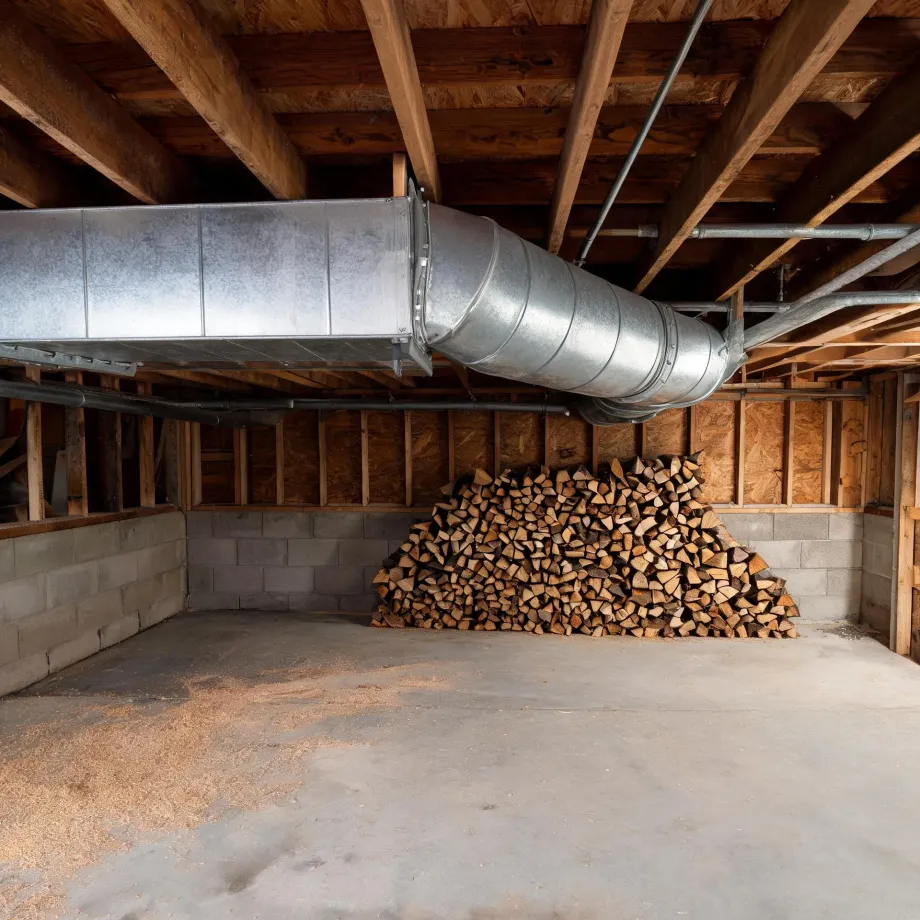
Ductwork in a house this old carries a record of every system that ran through it. Half the homes in Niobrara County, Wyoming were built in 1962 or earlier (2020-2024 ACS 5-year). That means the furnace a contractor opens today is not the first one those ducts were built for, and the gaps, patches, and improvised transitions from prior changeouts are where repair diagnostics get complicated. A crack in a heat exchanger or a pressure problem that looks like a failing component can trace back to airflow restrictions the ductwork itself is causing. The furnace is where the job starts, but the ducts decide how far it goes.
The Parts of a Furnace a Contractor Checks First
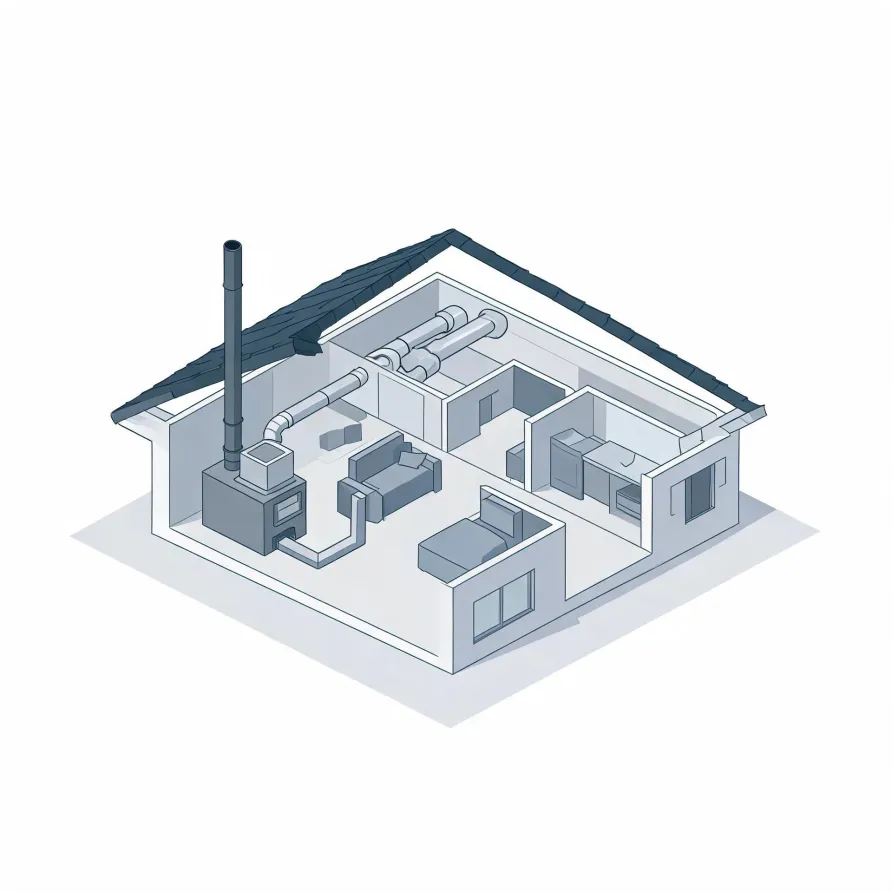
The furnace itself sits in a utility space, basement, or closet and is the heart of the system. Inside it, the heat exchanger is where combustion heat passes into the air supply, and a cracked or corroded exchanger is one of the first things a contractor looks for. The burners, ignitor, and flame sensor work together to start and sustain combustion, and any one of them failing shows up as a furnace that short-cycles, won't light, or shuts off before the house reaches temperature.
The blower motor and its fan wheel pull air across the heat exchanger and push it into the supply side of the house. A failing blower often announces itself through weak airflow or unusual noise. The control board ties these components together, reading signals from the thermostat and telling each part when to run, so a fault there can mimic problems that look like they belong to something else entirely.
The drawing shows a general layout of these components, and a licensed contractor determines what applies to the specific equipment and configuration in your home.
Find a contractor in Niobrara CountyNiobrara County, by the record
198 severe weather events were recorded in Niobrara County, Wyoming between 2015 and 2024.
NOAA National Centers for Environmental Information, Storm Events Database, bulk CSV export, events 2015-01-01 through 2024-12-31.Half the homes in Niobrara County, Wyoming were built in 1962 or earlier (2020-2024 ACS 5-year).
U.S. Census Bureau, 2020-2024 American Community Survey 5-Year EstimatesNiobrara County, Wyoming holds 1,425 housing units (2020-2024 ACS 5-year).
U.S. Census Bureau, 2020-2024 American Community Survey 5-Year EstimatesOwners occupy 61.8% of the occupied homes in Niobrara County, Wyoming (2020-2024 ACS 5-year).
U.S. Census Bureau, 2020-2024 American Community Survey 5-Year EstimatesCodes & Standards Covering Furnace Repair in Niobrara County, Wyoming4 sourced rules and standards
What Happens When the Contractor Shows Up
Non-weatherized gas furnaces manufactured on or after November 19, 2015 must reach 80.0 percent AFUE.
Non-weatherized oil-fired furnaces manufactured on or after November 19, 2015 must reach 83.0 percent AFUE.
Mobile home gas furnaces manufactured on or after November 19, 2015 must reach 80.0 percent AFUE.
Non-weatherized gas furnaces manufactured on or after December 18, 2028 must reach 95.0 percent AFUE, up from the 80.0 percent minimum that applies to units manufactured before that date.
Severe Weather Events in Niobrara County
Extreme weather puts real stress on furnace components, from heat exchangers to ignition systems, and how hard a unit has to work is shaped by what the local climate actually does. The chart below tracks recorded severe weather events in this county year by year, because equipment wear here is a local story.
198 severe weather events, 2015–2024. Source: NOAA National Centers for Environmental Information, Storm Events Database.