
A local pro for your furnace installation
How long a furnace lasts in Wyoming
Furnaces in Wyoming run hard every winter and get a long rest each summer, so the question is really how many winters yours has in it and what to watch for as it ages. This page gets into what wears a furnace down here and how to tell when it's worth calling someone local who works on these systems all season to take a look.
Get matchedA gas furnace in Wyoming typically lasts 15 to 20 years. Most of the homes here heat with gas, and that furnace is the thing standing between you and a January night when it's well below freezing outside, so it runs hard and long from fall through spring. That's a lot of hours on the igniter, the blower motor, and the heat exchanger, and those parts wear faster the more a furnace cycles on and off trying to keep up. Summers here are hot and dry, so the furnace sits idle for months, which gives it a break but doesn't undo the wear from winter. Where your furnace falls in that 15 to 20 year range depends on how well it was installed, whether it's been serviced regularly, and how it was sized for your house. Past year 15, pay attention to how it's running. A furnace that's struggling to keep rooms warm or cycling more than it used to is telling you something.


The part that ends a furnace's life is almost always the heat exchanger. Once it cracks, a contractor can't patch it, because that crack is a path for carbon monoxide into your air, so the whole unit gets replaced instead of repaired. Everything else wears slower, but it wears every time the furnace fires. The igniter heats up, the inducer motor pulls air through, and those two parts take a little damage on every cycle, winter after winter. A furnace that short cycles, kicking on and off more than it should, pushes that wear faster than one that runs in long, steady stretches. Sizing matters too. Too big for the house and it short cycles constantly. Too small and it runs almost nonstop on the coldest nights, which is its own kind of strain. A dirty filter lets dust settle on the blower wheel and the burners, so the furnace has to work harder for the same heat coming out of the vents. If you ever see rust or scorch marks near the burners, that usually means moisture or a crack is already changing how the furnace runs.
What Actually Wears a Furnace Out
- The heat exchanger is the part that actually fails a furnace, since cracks there mean it has to be replaced rather than repaired.
- Every time the furnace cycles on, the igniter heats up and the inducer motor pulls air through, and those parts wear with every single cycle.
- A furnace that short cycles, turning on and off more than it should, puts more wear on the igniter and the blower motor over a winter.
- Dust and debris pulled through a dirty filter coat the blower wheel and the burners, making the furnace work harder to push out the same heat.
- A furnace sized too large for the house short cycles constantly, while one sized too small runs almost nonstop on the coldest nights.
- Rust or scorching near the burners usually means moisture or a cracked heat exchanger is already affecting how the furnace runs.


Cold air gets pulled in through the return ducts into the furnace.
The igniter glows hot enough to light the gas burners.
Burners heat the metal walls of the heat exchanger.
The blower pushes air across the hot heat exchanger.




Why does my furnace suddenly start short cycling?
Short cycling usually shows up out of nowhere. The furnace fires, runs for a couple minutes, shuts off, then starts again not long after, and the house never quite gets warm. It's a strange thing to notice since nothing was touched and no setting changed, so it's natural to wonder what inside the furnace would cause it to start acting this way after running fine all along.
A furnace short cycles when something is making it think it's overheating or not getting enough airflow
A flame sensor coated with residue, a clogged filter, or a blocked vent can all make the furnace's limit switch trip early, shutting the burners off before the cycle finishes. The furnace reads this as a safety issue and restarts a few minutes later, then trips again. It's the limit switch doing its job, but something upstream is forcing it to act. In Wyoming's cold months, a furnace running hard every day means dust builds up on the flame sensor and filter faster than people expect, and that buildup is often what starts the short cycling partway through the winter. A furnace that short cycles for more than a day or two is worth having looked at before it wears the igniter or blower early.
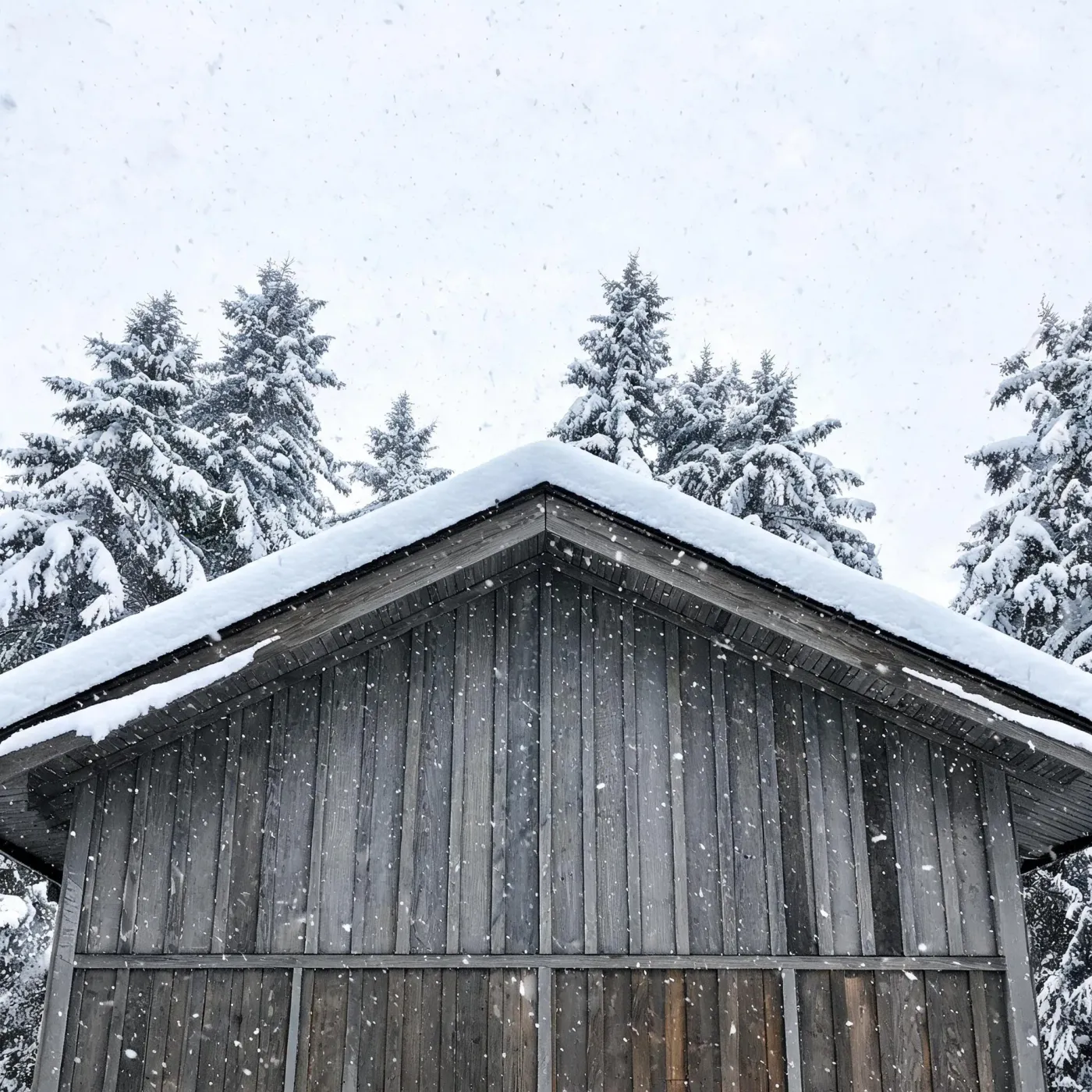
Winter nights here average 13°F across the state, according to NOAA climate data, and that's the kind of cold that keeps a furnace running most of the night instead of cycling on and off a few times. That long runtime is what ages a furnace faster than the calendar does. You'll notice it as a higher gas bill in January and February, or as the furnace taking longer to catch up once the house cools down. If yours is pushing past 15 years and struggling to keep up on those cold nights, it's worth having someone look at it before it quits on you. A licensed contractor working near you who handles furnaces all winter long can tell you quickly whether it's worn out or just due for service, and you'll hear back from just that one person, not a string of calls from companies you don't know.
NOAA nClimDiv 1991-2020 county normals weighted by homes
Get the right pro for your furnace
A furnace near the end of its life in Wyoming doesn't wait for a convenient week to quit. It's usually the coldest stretch, the one where NOAA's 13°F average night is closer to zero, that finds the crack in the heat exchanger or the igniter that won't glow anymore. At that point you're not choosing between repair and replacement anymore, you're choosing how many days your house goes without heat. Getting matched now, before that happens, means a contractor local to Wyoming, someone who sees these furnaces fail every winter and knows what 18 years of hard cycling does to an igniter or a heat exchanger, looks at your specific setup. One contractor gets your request, not five companies calling at once trying to win the job. That's worth having lined up before the next cold snap finds the weak part first.

It's just past six and still dark outside the kitchen window. The space heater hums by the table, its coil glowing orange, the only warmth in the room. You've got a sweatshirt on and your hands around a coffee mug. The basement door stands open behind the heater, the cord running down into the dark where the furnace sits quiet. You flipped the breaker twice already. Nothing. Outside it's close to zero, the kind of morning that comes most winters here, and the house is losing what heat it had. The dog won't go near the basement stairs. You keep checking the thermostat like it might change its mind.
Repair the Furnace or Replace It
Keep it going
- A furnace with a sound heat exchanger can still be repaired even after 15 years, so a cracked igniter or a bad inducer motor doesn't always mean replacement.
- Parts for a furnace that's 10 to 15 years old are usually still available, which keeps a repair on the table instead of forcing a decision.
- If the furnace has been serviced regularly, it's more likely the failure is a single part rather than the heat exchanger itself.
- A repair gets you through the rest of this winter without the disruption of swapping out the whole system.
- If the furnace is cycling normally and heating the house evenly, there's no reason to replace it just because of its age.
Replace it
- Once the heat exchanger cracks, repair isn't an option, since that's the part that forces full replacement rather than a fix.
- A furnace past 15 to 20 years is working at the edge of what it's built for, and Wyoming winters don't give it an easy season to coast through.
- Short cycling, a yellow flame, or a flue pipe that's gone quiet are signs the furnace is failing in ways a single repair won't solve for long.
- A new furnace installed now means you're not waiting to find out if it fails on the coldest night of the year.
- A licensed local contractor who works on furnaces every winter here can tell you quickly whether what's failing is a part or the whole unit.


Winter nights average 13°F statewide
At 13°F, your furnace isn't cycling, it's holding a steady burn most of the night to keep the house livable. That kind of runtime adds hours fast, and hours are what age a heat exchanger and wear out an igniter years ahead of schedule.
NOAA nClimDiv 1991-2020 county normals weighted by homes
Where your furnace stands now
- A gas furnace here lasts 15 to 20 years, and how yours ages depends on how many nights it holds a steady burn against 13°F.
- A sound heat exchanger means repair is still worth it even at 15 years; a cracked one means replacement no matter the age.
- Short cycling, a yellow flame, or a flue that's gone quiet are the signs worth having a contractor look at before the coldest week arrives.
- A local contractor who services furnaces all winter in Wyoming knows which part tends to go first on a unit your furnace's age.
- Getting matched sends your request to one licensed local contractor, not a handful of companies competing for the call.
- Parts availability and the condition of the heat exchanger matter more to the decision than the year on the nameplate.
Fifteen to twenty years is the range, but the number that matters more is the one on your furnace's heat exchanger. If it's sound, age alone doesn't rule out a repair, even on a unit that's been through fifteen Wyoming winters of 13°F nights. If it's cracked, the furnace is done regardless of what year it was installed. That's the real question behind "how long will it last," and it's one a nameplate can't answer.
Watching for short cycling, a yellow flame, or a quiet flue pipe is how you catch trouble before the coldest week of the year makes the decision for you. None of those signs mean an automatic replacement. They mean it's time to have someone look before the furnace has to run flat out all night to keep the house livable.
That someone matters too. A contractor who works on furnaces all winter in Wyoming has seen what tends to fail on a unit your furnace's age, because they're pulling the same igniters and inducer motors out of the same kind of equipment every season. When you get matched, that request goes to one licensed local contractor, not a stack of companies bidding for your number. They can tell you honestly whether what's wrong is worth fixing or whether the heat exchanger has made that decision already.
Your furnace will tell you which way this goes before winter's over. The parts, the flame, the sound coming from the flue all say something if you know to look.

A pro who works on furnaces
One installer gets your project, so there's no bidding war over it.