On schedule
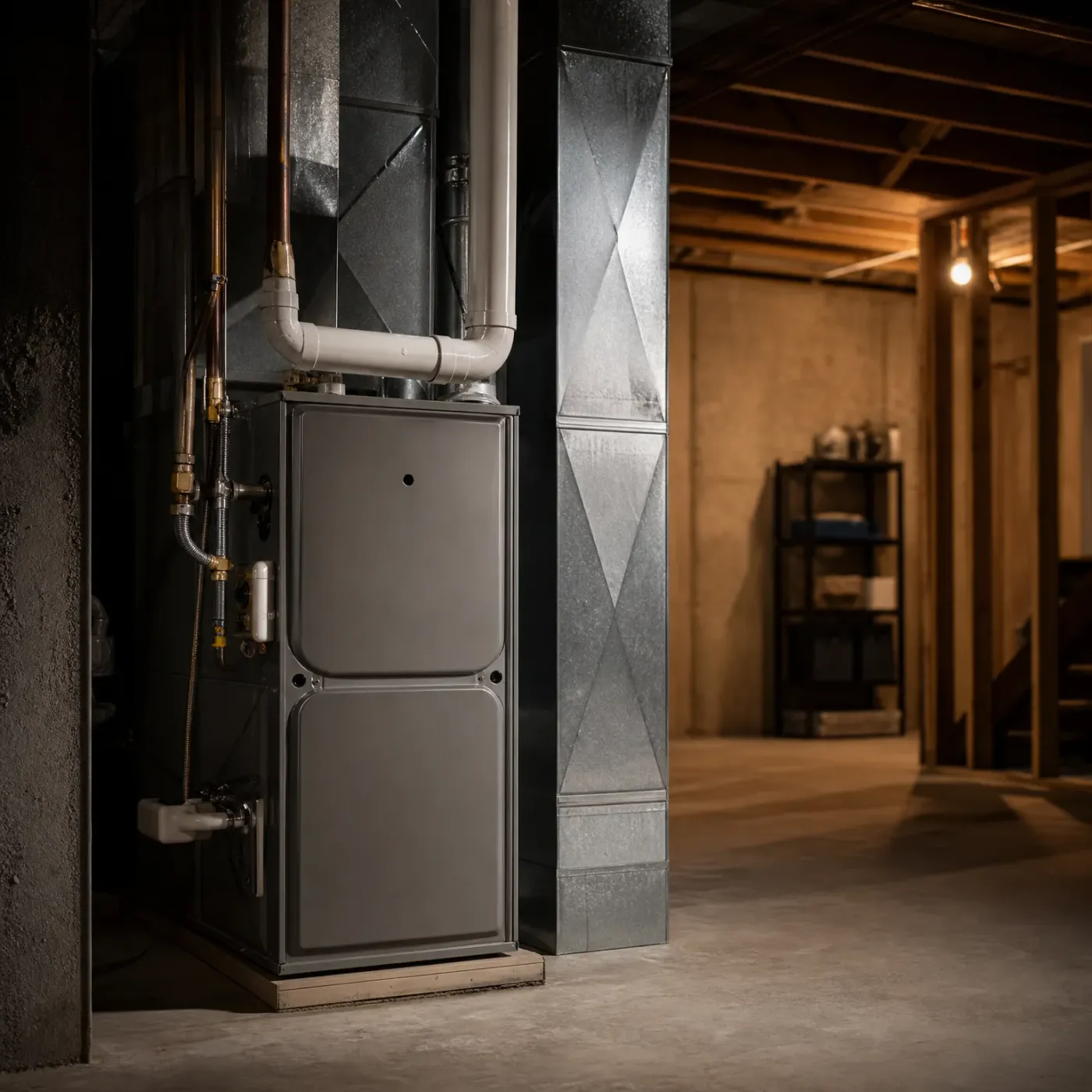
The duct and pipes here are clean, the frame around the furnace is bare wood and concrete, nothing hiding. A filter changed on time keeps the blower pulling air the way it's built to, month after month through a Wyoming winter.
Skip calling around
Wyoming dust and dry air clog a furnace filter faster than you'd think, and a dirty one makes the whole system work harder. This page covers how often to swap it and what to watch for between changes. If you'd rather have someone local check the furnace itself instead of hunting down a contractor and explaining the same thing twice, that's a call away.
Skip the callsA standard 1-inch furnace filter in Wyoming needs changing about every 1 to 2 months during the heating season, and every 30 days if you run the furnace blower a lot or live somewhere dusty. Dry air and windblown dust here load up a filter faster than it does in wetter climates, so the fibers pack full of fine grit sooner than the box might suggest. A clogged filter forces the blower to pull harder to move the same air, and that strain shows up as higher power draw and shorter equipment life. Pleated filters can sometimes stretch to 3 months, but check monthly anyway rather than trusting the calendar. Hold it up to a light. If you can't see light through it clearly, it's done. A furnace with a dirty filter long enough can short cycle or overheat and shut itself down, which usually means an unplanned call to get it running again.
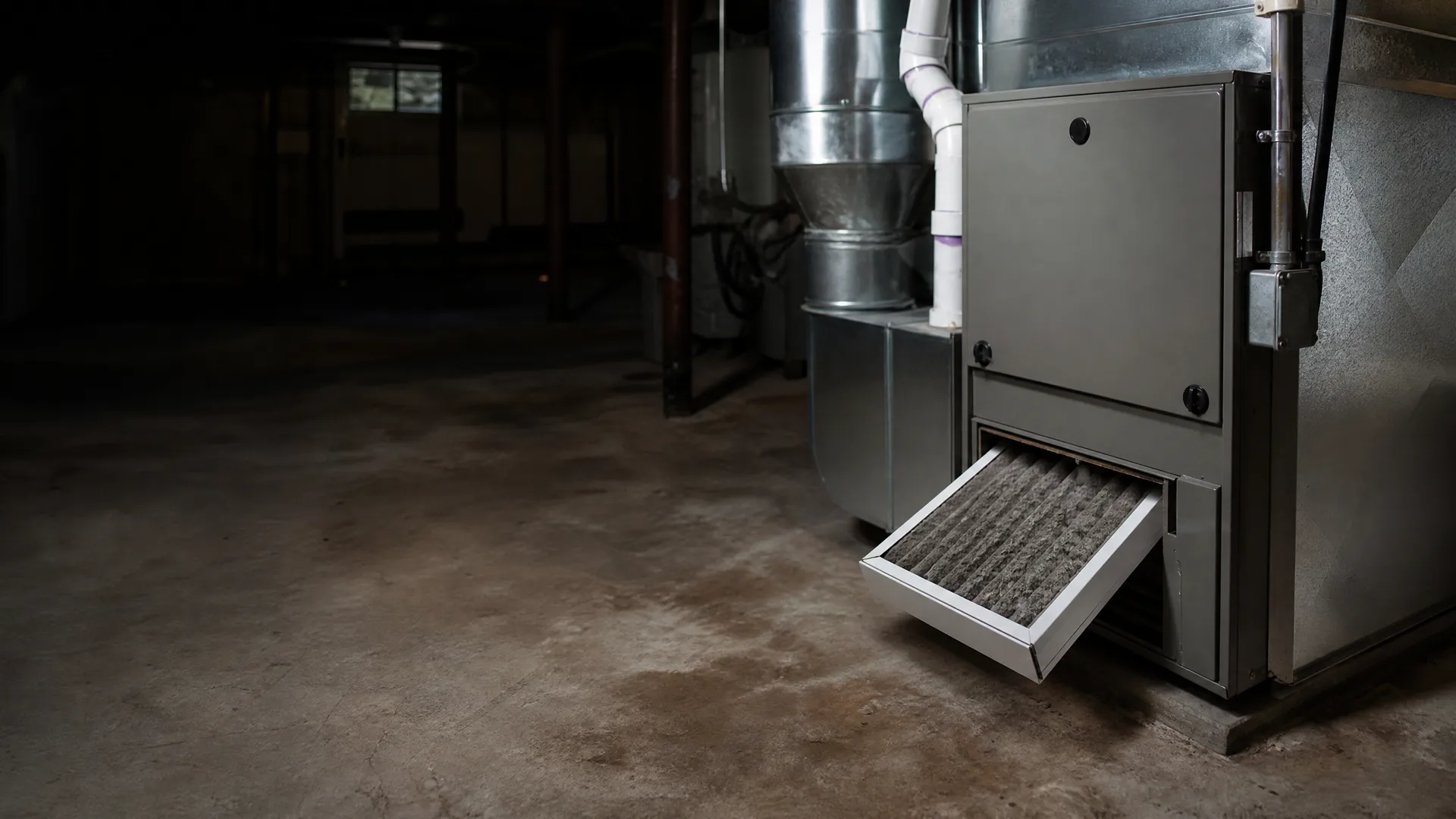
You're down in the basement on a Saturday afternoon in October, and the furnace just kicked on for the first real run of the season. You pull the filter to check it before the cold sets in for good. It slides out grey, the pleats packed flat with dust, and when you hold it up to the basement light you can't see through it at all. You run a finger along the edge and it comes back coated. The furnace is still humming behind you, pulling air through whatever's left to pull through. You set the old one on top of the cabinet and go looking for the box you bought in September, thinking you'd gotten ahead of it this year.




The blower pulls air through the filter before any of it reaches the heat exchanger. That's the whole job of the filter, to catch dust before the furnace does. A 1-inch filter has thin pleats, so there's only so much surface area to hold dust before it packs solid. Once that happens, the blower has to work harder to pull the same amount of air through, and that strain is what wears out a blower motor over time, not the dust sitting on the filter itself. Wyoming's dry air makes this harder to catch early. The dust here is fine and doesn't clump, so it works down into the pleats instead of sitting on top where you'd notice it. A filter can look lightly dusty on the surface and still flow air fine, but once it's gray and flat all the way through, it's already choking the system. Going too dense doesn't help either. A MERV 13 filter in a blower sized for MERV 8 can restrict airflow even brand new, straight out of the package.


A licensed local pro takes the request for your furnace tune-up.
It costs nothing to send, and you don't have to hire anyone.
Air in your house doesn't just vanish into the furnace. It gets pulled back through a return air duct, across the filter, and into the blower wheel, which pushes it through the heat exchanger and back out into your rooms. Every part of that path depends on the filter letting air through at a steady rate. When it's packed with dust, the blower doesn't quit. It works harder, spinning longer to move the same volume of air through ducts that haven't changed size. That extra effort shows up first as resistance on the intake side, before the filter looks dirty from the front, which is why a filter that seems fine can already be starving the system. With less air moving across it, the heat exchanger holds onto heat it's supposed to shed, and once it runs hotter than it's built for, the high limit switch trips. That switch cuts the gas valve and kills the flame until the exchanger cools, which is why a furnace on a dirty filter often short-cycles, running in bursts instead of heating evenly through the house. None of this is free. The blower motor pulls more amps fighting the restriction, and that shows up on your power bill even with Wyoming's cheap electric rates. A new filter costs little next to a blower motor or a cracked heat exchanger, which is the part a clogged filter wears out first.


A furnace blower is sized to pull a set volume of air across the filter every minute. Pack that filter with dust and the blower doesn't move less air by choice, it just strains to keep pulling the same amount through a smaller opening.
That strain shows up as a higher gas and electric bill before it shows up as a breakdown, since the furnace runs longer to heat the same rooms. A filter changed on schedule keeps that draw where it should be.
Average that overnight low across a Wyoming December, January and February and it comes to 13°F. That's a long stretch of nights with the furnace running steady, and every hour it runs, it's pulling air through that filter. A clogged one on a night that cold means the blower working harder right when you need the heat most.
NOAA nClimDiv 1991-2020 county normals weighted by homes

The duct and pipes here are clean, the frame around the furnace is bare wood and concrete, nothing hiding. A filter changed on time keeps the blower pulling air the way it's built to, month after month through a Wyoming winter.

This furnace shows surface rust already climbing the cabinet. A blower straining against a packed filter runs hotter and longer than it should, and that wear shows up on the metal years before it should.
Walk past a vent and run a finger along it. If it's gritty, or you're dusting the same shelf twice a week, the filter behind it is probably past due. Some furnaces will tell you straight out: the blower runs longer to heat the same rooms, or it cycles on more often than it used to. You might notice a burning smell the first few minutes after startup, which usually means dust is baking on a heat exchanger that a clean filter would have kept clear. None of this means the furnace is failing. It means the filter stopped doing its job a while back, and the blower has been working around it since.
The National Weather Service puts the statewide average overnight low in winter at 13°F. That's the kind of cold that keeps a furnace running most of the night instead of cycling on and off a few times. Long runs like that pull a steady stream of air through the filter for hours at a stretch, and a filter already loaded with dust doesn't have much give left. You'll notice it as a furnace that takes longer to warm the house back up, or rooms that stay a few degrees cooler than the thermostat setting no matter how long it runs.
NOAA nClimDiv 1991-2020 county normals weighted by homes


Cold return air pulls dust across the filter before anything else.
The blower wheel draws that air through the furnace cabinet.
A clogged filter forces the blower to spin longer and harder.
The heat exchanger runs hotter with less air moving past it.

Check your furnace filter monthly through the Wyoming winter and swap it when it's grey, usually every 1 to 2 months. That's the whole answer. The dry air and dust here decide the rest for you, so if you're running the blower daily once it's cold, lean toward the shorter end.
If you'd rather not be the one tracking the calendar, a local contractor who works on furnaces all winter can fold the filter into a regular check and tell you what the furnace is actually asking for. That means you skip the part where you're searching around for someone to call, explaining the same thing twice, and weighing quotes against each other. You talk to one person who already knows what Wyoming furnaces run into by February, and you know where things stand.


No phone calls to make