Send one request and you're done looking
Repair or replace an aging furnace in Wyoming
Your furnace is getting old and you're trying to decide whether to fix what's wrong or put in a new one. That decision comes down to what's failing, what a repair buys you, and whether a new furnace makes more sense for a Wyoming winter. This page walks through how to tell, and gets you to someone who can look at your system and give you a straight answer. Send the form and the search for who to call is off your plate.
Send my requestA furnace that's 15 years or older and needs a repair costing more than a third of what a new one runs is usually worth replacing instead. Furnaces wear out from the inside: the heat exchanger cracks, the igniter weakens, the blower motor strains, and each failure tends to follow the last within a year or two. In Wyoming, where gas heat runs hard from fall into spring, a furnace on its last legs doesn't give you much warning before it quits on a cold night. A cheap fix like a new flame sensor or thermostat is worth doing on an otherwise sound unit. But if the heat exchanger is cracked, or you're on your second or third repair this winter, you're paying to delay the same decision. Replacing it now means picking the size and efficiency that fit your house, instead of whatever's in stock when the old one dies in January.


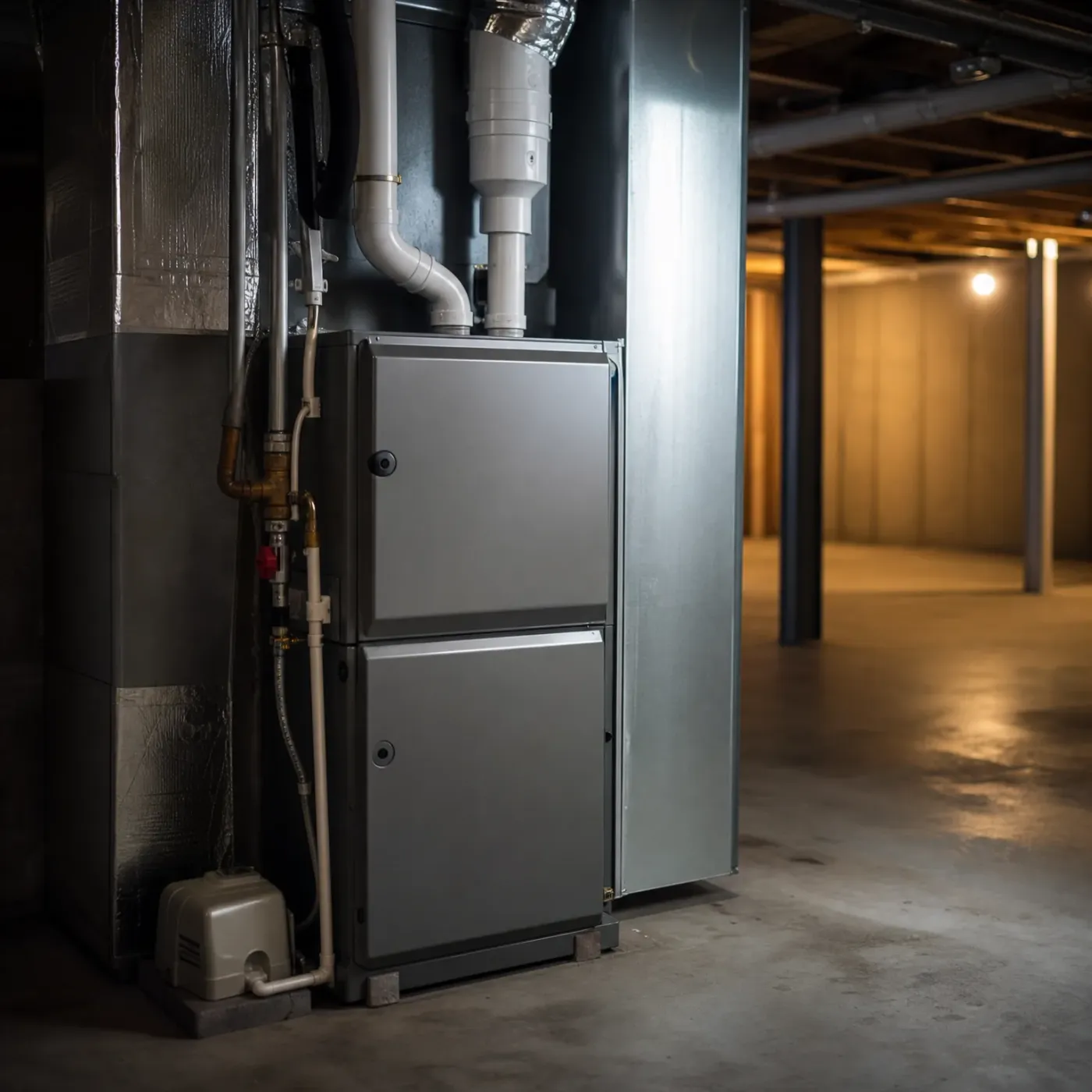
A furnace fails in a fairly predictable order, and knowing which part is acting up tells you a lot about whether repair still makes sense. The heat exchanger is the one that matters most. Once it cracks, combustion gas can mix into the air your blower is pushing through the house, and a tech who finds that will shut the furnace down rather than patch it. The igniter is usually the first thing to go. It has a second or two to glow hot enough to light the gas, and once it weakens, the furnace tries, fails, and locks out. The blower motor runs longer than anything else in the system since it moves air for your air conditioner too, so it wears out ahead of the rest. A control board manages the timing between burners and blower, and when it starts failing, that timing slips before you notice anything else wrong. A flame sensor that can't confirm the burner is lit causes short cycling, a couple minutes of heat and then nothing. Gas valves fail shut by design, which just means a bad one leaves you cold rather than anything worse.
What actually fails inside a furnace
- A cracked heat exchanger lets combustion gas mix with the air your blower pushes through the house, and most gas furnaces get shut down on the spot when a tech finds one.
- The igniter has to glow hot enough to light the gas within a second or two, and a weak one will cause the furnace to try, fail, and lock out.
- The blower motor runs far more hours than any other part since it moves air for both your furnace and your central air, so it wears first.
- A furnace stages its burners and blower on a delay, not all at once, and a failing control board throws that timing off before anything else breaks.
- Short cycling, where the furnace fires for a couple minutes and shuts off, usually means a flame sensor that can't tell the burner is still lit.
- Gas valves are built to fail shut, not open, so a bad one leaves you cold instead of putting gas into a house that doesn't need it.


Fix It or Replace It
Repair
- A cracked heat exchanger or a failed control board can't be patched around, but a blower motor or a flame sensor often can be swapped out for a lot less than a new furnace.
- If the furnace is under 10 years old, a repair usually makes sense even if it's the second one this winter.
- Parts for a furnace that's still fairly common are easier to get fast, which matters when it's 10 below outside.
- A repair buys you time to plan a replacement on your schedule instead of in the middle of a cold snap.
- Some failures, like a stuck inducer motor or a bad pressure switch, are isolated problems that don't point to the rest of the furnace wearing out.
Replace
- A furnace 15 years or older that needs a repair costing a third or more of a new unit's price is usually past the point where fixing it pays off.
- A new furnace carries a warranty on every part, so you're not paying out of pocket again if something else fails next winter.
- Newer furnaces burn gas more efficiently, which matters in Wyoming where the furnace runs hard for months at a stretch.
- If the heat exchanger has cracked, the furnace is usually done regardless of what else still works.
- Replacing before a full breakdown means you're not without heat while you wait on a part or a decision.
- A furnace that's needed repeat repairs over the past couple of winters is telling you the rest of it is wearing out too.




Finding a pro stops being your job
One installer gets your project, so there's no bidding war over it.
There's no charge for the request.
Why cold starts wear parts fast
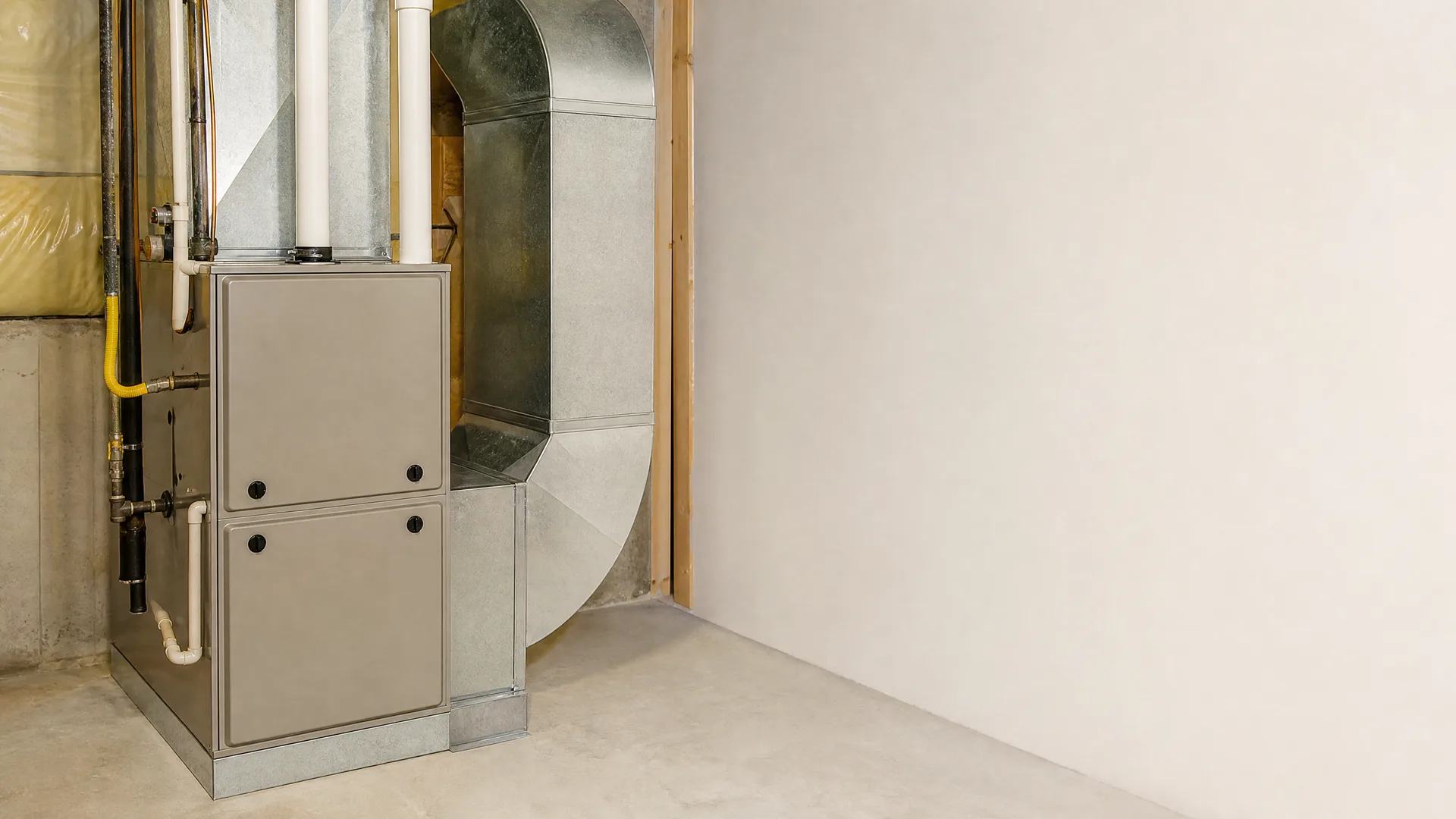
A Wyoming furnace cycles on and off far more than it would somewhere mild, and the stress of each start is where parts fail. The igniter heats and cools, the blower motor spins up and stops, and the heat exchanger expands and contracts with every cycle. A furnace running from October into April logs thousands of these cycles each winter. Age catches up with the parts that work hardest, and those are usually the first to go.
What a new furnace is rated for
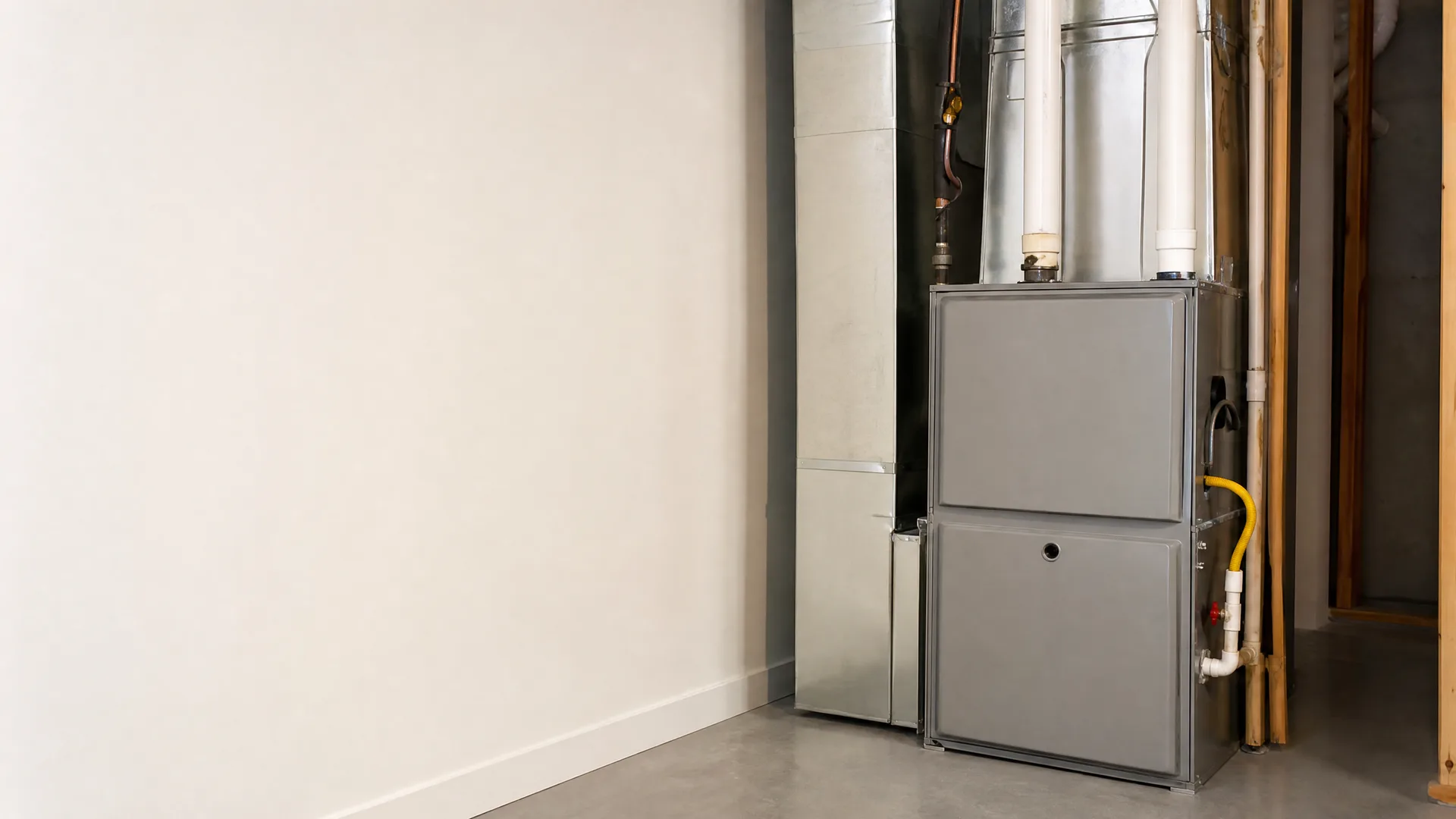
Furnaces sold for installation now carry an AFUE rating that tells you how much of the gas you burn turns into heat in the house instead of going out the flue. An older furnace installed decades ago likely runs well below what's available today. That gap matters more here than in a mild climate, because a Wyoming furnace burns gas for a longer stretch of the year to keep up with the cold.
Why does my furnace keep short cycling in winter?
Short cycling means the furnace fires up, runs for a few minutes, shuts off, then starts again soon after, instead of running a full heating cycle. In a Wyoming winter that pattern is hard to ignore because the house never quite warms up and the furnace seems to be working constantly without getting anywhere.
A dirty flame sensor or clogged filter is usually the cause, but on an older furnace it can mean a cracked heat exchanger
Most short cycling starts small. A flame sensor coated with a thin layer of residue stops reading the flame correctly, so the control board shuts the burner down a minute or two after ignition as a safety measure. A clogged filter does something similar: airflow drops, the furnace overheats inside, and a limit switch cuts it off early. Both are quick fixes. But if the furnace is older and has logged a lot of winters, the same symptom can point to a cracked heat exchanger overheating and tripping that limit switch. A tech checks the easy causes first, then looks at the exchanger if the problem keeps coming back.
Winter nights average 13°F statewide, according to NOAA climate data. At that temperature your furnace isn't just warming the house, it's fighting a 60-plus degree gap between inside and out, night after night. That's what wears an older unit down faster here than in a milder state. A furnace already struggling with a weak igniter or a tired blower motor has less room to recover between cycles when it's this cold outside. You'll notice it as longer run times, a furnace that seems to never fully shut off, or rooms that take longer to warm back up once the thermostat calls for heat again.
NOAA nClimDiv 1991-2020 county normals weighted by homes
Why does the house feel different this winter?
You've noticed the furnace running longer to hit the same temperature, or kicking on and off more than it used to. Some rooms feel warm while others stay cold. The air coming out of the vents feels cooler than it should, or you hear a rattle, a bang at startup, or a burning smell the first few times it fires in the fall. Maybe it's just louder than it was last year. On their own, these are small things. Left alone through a Wyoming winter, they mean the furnace works harder for less heat, your gas bill climbs, and the parts already under strain are the ones most likely to fail on the night you need them most.


Winter nights average 13°F statewide
At 13 below zero on an average winter night, your furnace runs for long stretches just to hold the thermostat where you set it. An aging unit that's already losing efficiency has to work harder through those hours, and that's when a tired blower or a failing igniter tends to give out.
NOAA nClimDiv 1991-2020 county normals weighted by homes
Repair or replace, decided
- A heat exchanger crack or a failed control board means replacement; a blower motor or flame sensor can often be repaired for less.
- A furnace under 10 years old is usually worth repairing, while one past 15 with a costly repair tilts toward a new install.
- Wyoming winters put every part through repeated cold starts, and that cycle is what wears an aging furnace down faster than mild climates do.
- A local contractor who services this equipment every winter knows which failures are routine and which mean the furnace is done.
- Submitting the form connects you with one licensed, local contractor, not a flood of calls from several companies.
- Whichever way the decision goes, the goal is the same: a furnace that fires reliably on the coldest nights of the year.
By now you know what to look for. A cracked heat exchanger or a dead control board means a new furnace. A blower motor or flame sensor, caught in time, often doesn't. Age matters too: under 10 years, lean toward fixing it. Past 15, with a repair bill that's a real fraction of a new unit's cost, the new install is usually the better bet. None of that changes because you live in Wyoming, but the timeline does. Cold starts happen more here than somewhere mild, and that's the wear you're actually deciding about, not just whatever failed this week.
What makes the difference is who looks at it. A contractor who works on furnaces all winter in this state has seen this exact failure before, on this exact kind of unit, in this exact cold. That's not a guess they're making. It's a pattern they already know, because they've been inside a dozen furnaces this season that cycled the same way yours does.
Send the form and you're connected with one contractor, licensed, local, and already set up to take the call. Not three companies competing for your number. One person who can look at your furnace and tell you straight whether it's worth saving. Either way, the furnace that comes out of this decision is one that starts every time, on the coldest night you get this year.
Let someone else find the pro
The pro who reaches out is licensed in Wyoming.