
Wyoming's Furnaces

What size furnace a Wyoming home needs

Get in touch with a local installer about a new furnace.

Step 1 of 3: Equipment

There's no single furnace size that fits every Wyoming home. The right size depends on your home's square footage, how well it's insulated, your ceiling height, and how many windows let cold in. Wyoming winters push hard on a furnace, so an undersized unit will run constantly and still leave rooms cold, while an oversized one cycles on and off too fast, wearing out parts early and leaving the air uneven. A furnace sized for a mild climate elsewhere won't hold up here. Getting the number right takes a load calculation done at your house, looking at your walls, your attic, your windows, and your layout room by room. That's the only way to know whether you need a smaller unit or something with more output. A furnace sized correctly heats evenly, runs less, and lasts longer than one picked by square footage alone.

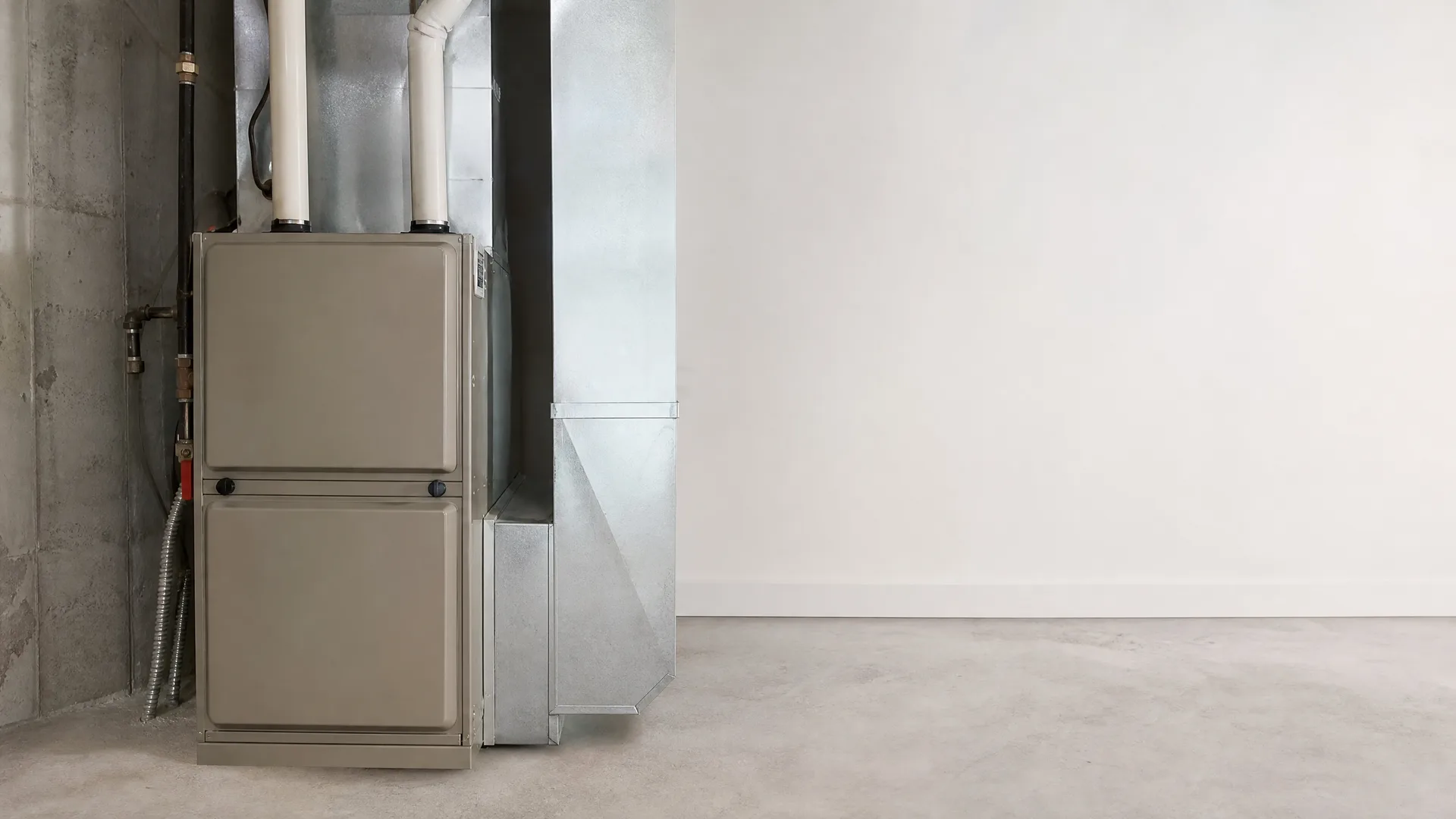
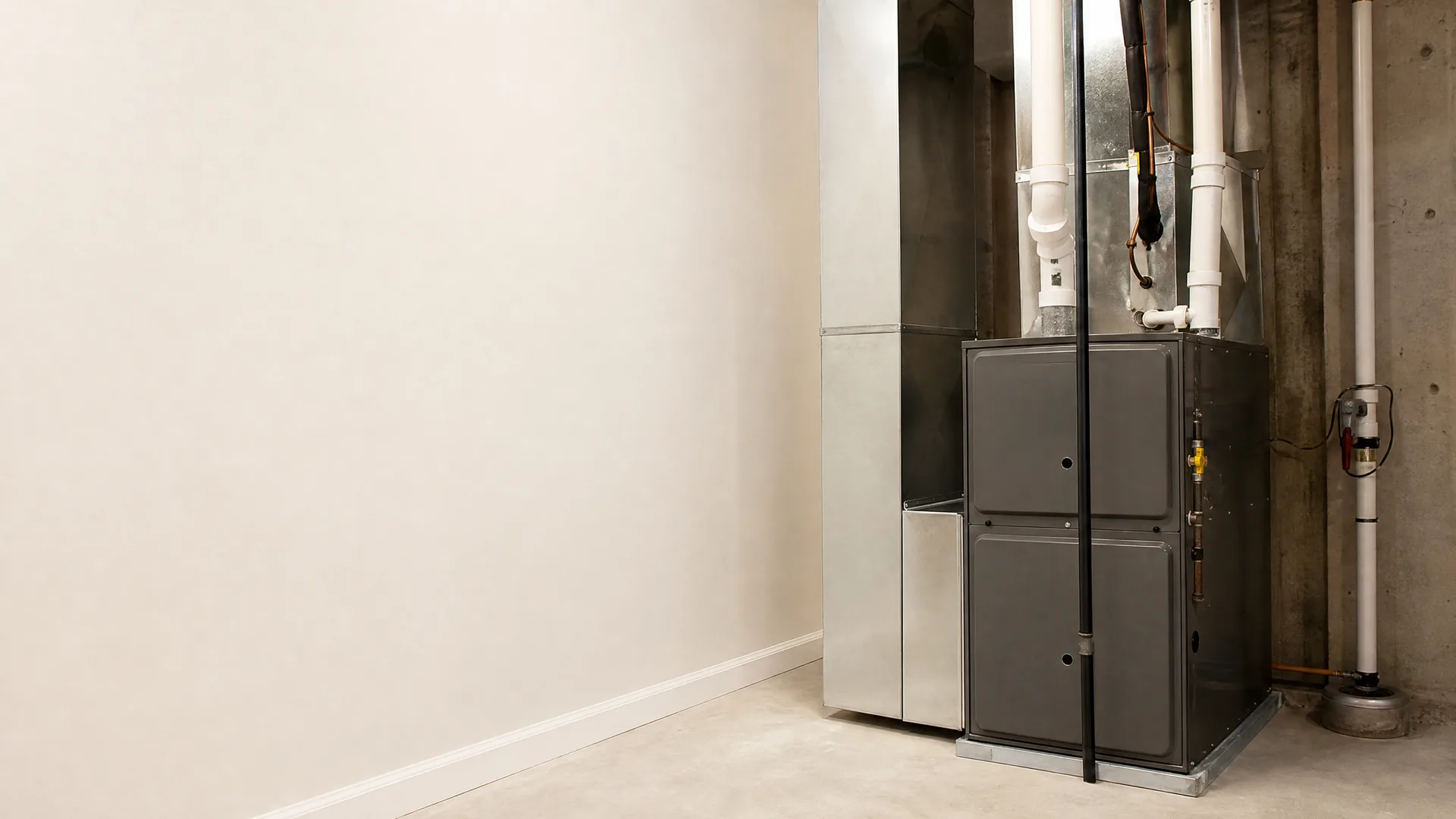
A beige high-efficiency furnace with two white PVC pipes stands beside sheet-metal ductwork and a concrete wall in an empty basement with a bare light-colored wall and concrete floor.

Why bigger isn't the safe choice

An oversized furnace heats your home fast, then shuts off before it finishes a full cycle. That short cycling wears on the igniter and the blower motor, and it leaves rooms farther from the furnace colder than the ones nearby. A furnace sized right for your house runs longer, steadier cycles, which is what actually keeps the whole place even when it's well below freezing outside.

A gray furnace with sheet-metal ductwork and white PVC vent pipes stands in the corner of a finished basement room with a blank beige wall and concrete floor.

What a load calculation checks

A contractor sizing your furnace runs a load calculation, not a guess based on your old unit or your square footage alone. It accounts for your insulation, your window count and type, your ceiling height, and how much of your home's shell faces the wind. Two houses the same size can need different furnace sizes once those details are counted, which is why a neighbor's furnace size isn't a reliable answer for yours.

Undersized vs. Correctly Sized Furnace

Undersized

  • On the coldest nights, a furnace that's too small runs almost nonstop and still can't hold the thermostat setting.
  • The blower motor and igniter cycle on for long stretches without a break, which adds wear over a winter of hard use.
  • Rooms farthest from the furnace fall behind, since there's never a true break in the cycle to catch them up.
  • Your gas bill climbs because the furnace is working at its limit for hours instead of reaching temperature and resting.
  • A furnace sized for a smaller house than yours will struggle the same way every January and February.

Correctly sized

  • The furnace reaches your thermostat setting, shuts off, and rests until the house calls for heat again.
  • Rooms across the house heat evenly because the furnace runs long enough each cycle to push air through the whole duct system.
  • The igniter and blower motor see normal wear instead of the extra strain of constant or short cycling.
  • A licensed contractor sizes the unit to your square footage, insulation, ceiling height, and windows, not a rule of thumb.
  • On a hard Wyoming winter night, the furnace has the output to keep up without running flat out.
A dark high-efficiency furnace on a concrete pad in a basement, connected to galvanized ductwork, white PVC vent pipes, and copper and black gas piping, with concrete walls and wood framing nearby.

Sized right

This furnace matches the heat loss of the house it sits in. It runs long, steady cycles that hold the thermostat setting through a cold night without strain. The ductwork, exhaust piping and gas line all tie in clean, which is what a correct sizing job looks like from the start.


A gas furnace with a louvered upper panel stands on a concrete pad in a basement, flanked by sheet-metal ductwork, white PVC and metal pipes, and insulated columns.

Sized wrong

This furnace is older, but the same problems show up fast in a unit sized wrong for the house. Short cycling or nonstop running wears on the parts long before they should fail. The drain line and ductwork are doing their job. The furnace itself is fighting a size it was never matched to.

Is your furnace struggling to keep your house warm?

You might already notice the signs. The thermostat says 70 but the room feels cooler than that. The furnace runs for long stretches on the coldest nights and barely seems to shut off. One bedroom down the hall stays chilly no matter what you set the thermostat to, while the room near the furnace gets warm fast. Your gas bill climbs higher than it used to for the same kind of winter. Left alone, a furnace working harder than it should wears out its parts sooner, and a house that never quite gets warm enough is a house where pipes along outside walls are more exposed to a hard freeze.

A gray-haired man in a dark long-sleeve shirt sits on a gray sofa in a living room, looking toward a sunlit window with sheer curtains.
A gray-haired man in a dark green sweatshirt sits on a sofa in a living room, looking toward a bright window, with a houseplant, lamp, fireplace and framed art behind him.
A gray-haired bearded man in a dark green collared sweater sits on a sofa in a living room with a window, houseplant, floor lamp and bookshelves, looking off to the side.
A gray-haired man in a dark green sweater sits on a sofa in a sunlit living room, looking off to the side, with a framed landscape painting, dining table and shelving behind him.

Get the right pro for your furnace

Figuring out the right size for your furnace isn't something to guess at from a chart. It takes someone who's actually measured houses like yours in your town and knows how a Wyoming winter finds every weak spot in an undersized unit, or every short cycle in an oversized one. A local contractor who works on furnaces all winter here has a feel for what these homes actually need, not a generic number pulled off a sizing table. Getting matched with one contractor, someone licensed and familiar with homes in your area, means you're not fielding calls from five different companies trying to sell you five different answers. You get one person who can look at your square footage, your insulation, your windows, and tell you what size actually fits. If your furnace has been running long and hard, or shutting off before it warms the far rooms, that's worth sorting out before next cold snap, not after it.

Why a manual J load calc matters

A contractor sizing your furnace right doesn't start with a chart that matches square footage to BTUs. They run a room by room heat loss calculation, the Manual J, that accounts for your insulation, your window count, your ceiling height and how much outside wall your house has. Two homes with the same square footage in the same Wyoming town can need different furnace sizes once you account for how much heat each one actually loses on a cold night. Skipping this step and going by a rule of thumb is how homes end up with a furnace that's wrong for them in either direction.

What a correct size gets you

A furnace sized to your home's actual heat loss runs the way it was built to run. It holds the thermostat setting through the coldest nights without short cycling or running nonstop. The rooms farthest from the furnace get the same warmth as the ones close to it, because the ductwork was sized to move the right amount of air to each one. The gas line and venting match the unit's input rating instead of being oversized or undersized along with it. That's the difference a proper calculation makes, and it's why the sizing step matters as much as the install itself.

An older beige furnace with a louvered vent panel stands on a concrete basement floor beside galvanized sheet-metal ductwork, a metal flue pipe and vertical pipes along a concrete wall.
Before you get your furnace installation
A beige high-efficiency furnace with white PVC vent pipes stands beside galvanized sheet-metal ductwork in a basement with a concrete floor, exposed wood studs, and metal piping along the wall.
After you get your furnace installation

Winter nights average 13°F statewide

A 13°F night is a normal Tuesday here, not a cold snap. At that temperature your furnace has to make up for a steady, heavy loss of heat through the walls and windows all night long, not just a few hours of it. If it's sized wrong, you feel it right around 2 or 3 a.m.

NOAA nClimDiv 1991-2020 county normals weighted by homes

  1. A contractor measures every room and adds up the heat loss.

  2. That load calc sets the exact BTU output your house needs.

  3. The furnace is matched to that number, not your old unit.

  4. Ductwork, gas line and venting get sized to match the new furnace.

A woman with shoulder-length dark brown hair in a cream knit cardigan sits in an upholstered armchair beside a window, looking off to the side, with a white bookshelf and potted plant blurred behind her.
A woman and a child wrapped together in a thick knitted blanket on a sofa, both with eyes closed, with a lit table lamp and houseplant in the dim background.
A woman stands in the open front doorway of a single-story house with stone and wood siding while a man in a dark polo shirt and cap walks toward it along a concrete path.

The right size comes from a load calc, not a guess

A furnace sized to your house runs long, even cycles and holds the temperature you set, even on a night that drops to 13°F. That's the whole answer. Getting there means someone measures your rooms, your insulation and your windows and does the math, not someone matching your square footage to a chart.

That's local work. A contractor who installs furnaces around Wyoming winters every year has seen which houses in your area run short on BTUs and which ones get stuck with a furnace too big for the rooms it's heating. Ask for a match and you get sent to one contractor suited to this job, not a handful competing for your number. They'll look at your house specifically and call you with what they find.

A speckled beige ceramic vase holding thin dried branches sits on a round wooden table near a window with sheer curtains, with a dark upholstered chair and draped blanket blurred in the background.
Corner of a room with a white window at left, a white fireplace mantel with dark stone surround at right holding a weathered clay vase of leafy branches, and a cream upholstered sofa with a knit throw and tan pillow in the foreground.
A cushioned window seat with a brown lumbar pillow beside a white-framed window overlooking green trees, next to built-in cream cabinetry with shelves holding ceramic vessels and a wooden bowl.
An entryway with a dark wood console table holding a stone vase of olive branches and a shallow wooden bowl, a woven basket on the lower shelf, a framed landscape print on the wall, and a glass-paned wood door at left.
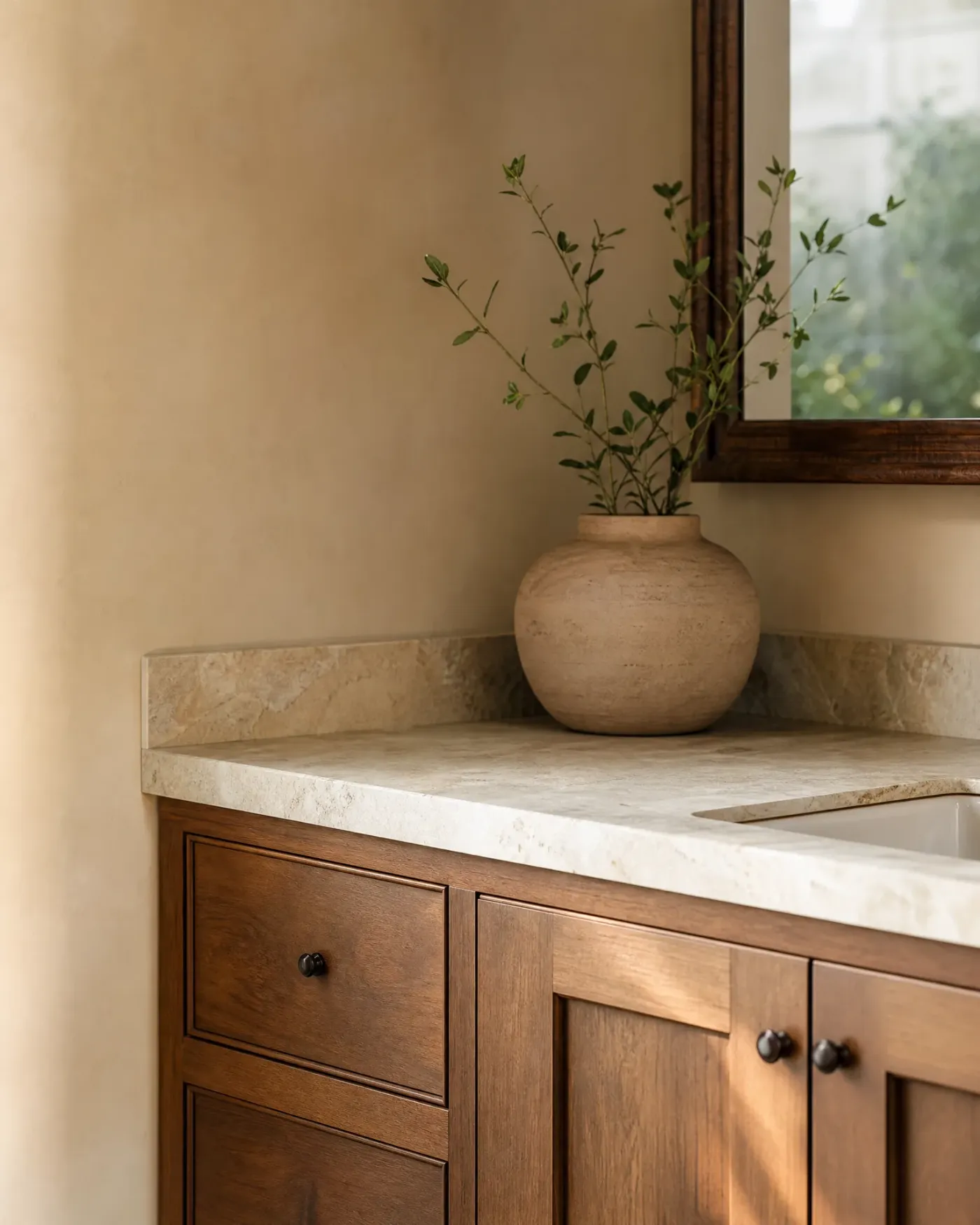
A wooden vanity cabinet with dark knobs and a beige stone countertop holding a round terracotta vase with leafy branches, beside a wood-framed mirror and a white sink.
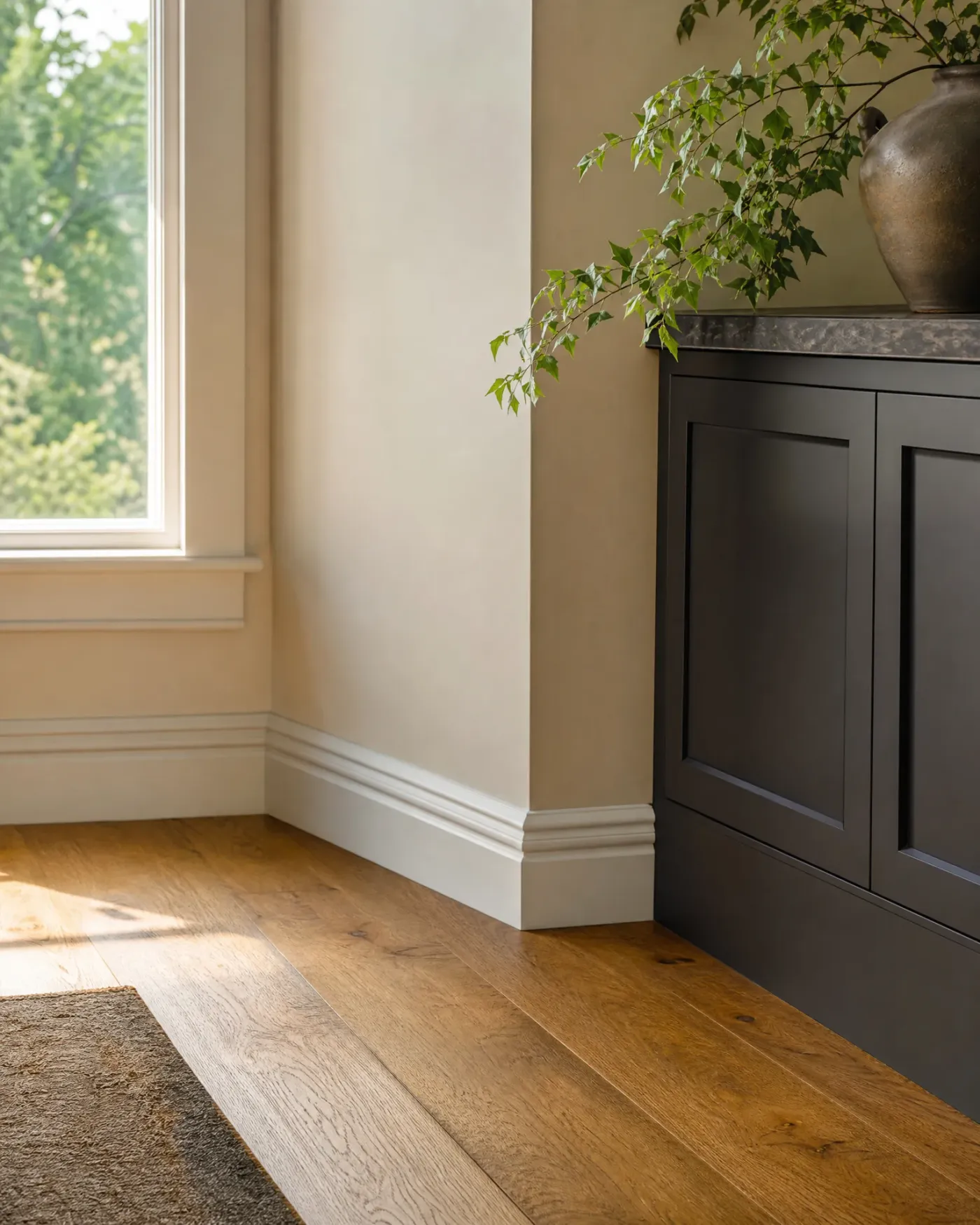
Sunlit room corner with wide-plank oak flooring, white baseboard molding and beige walls, a window at left showing green trees, and a dark cabinet at right topped by a stone vase holding a leafy branch.

A pro who works on furnaces

Only one pro gets your request, so you hear from one company.

Find a licensed furnace pro

You're not committing to anything by asking.