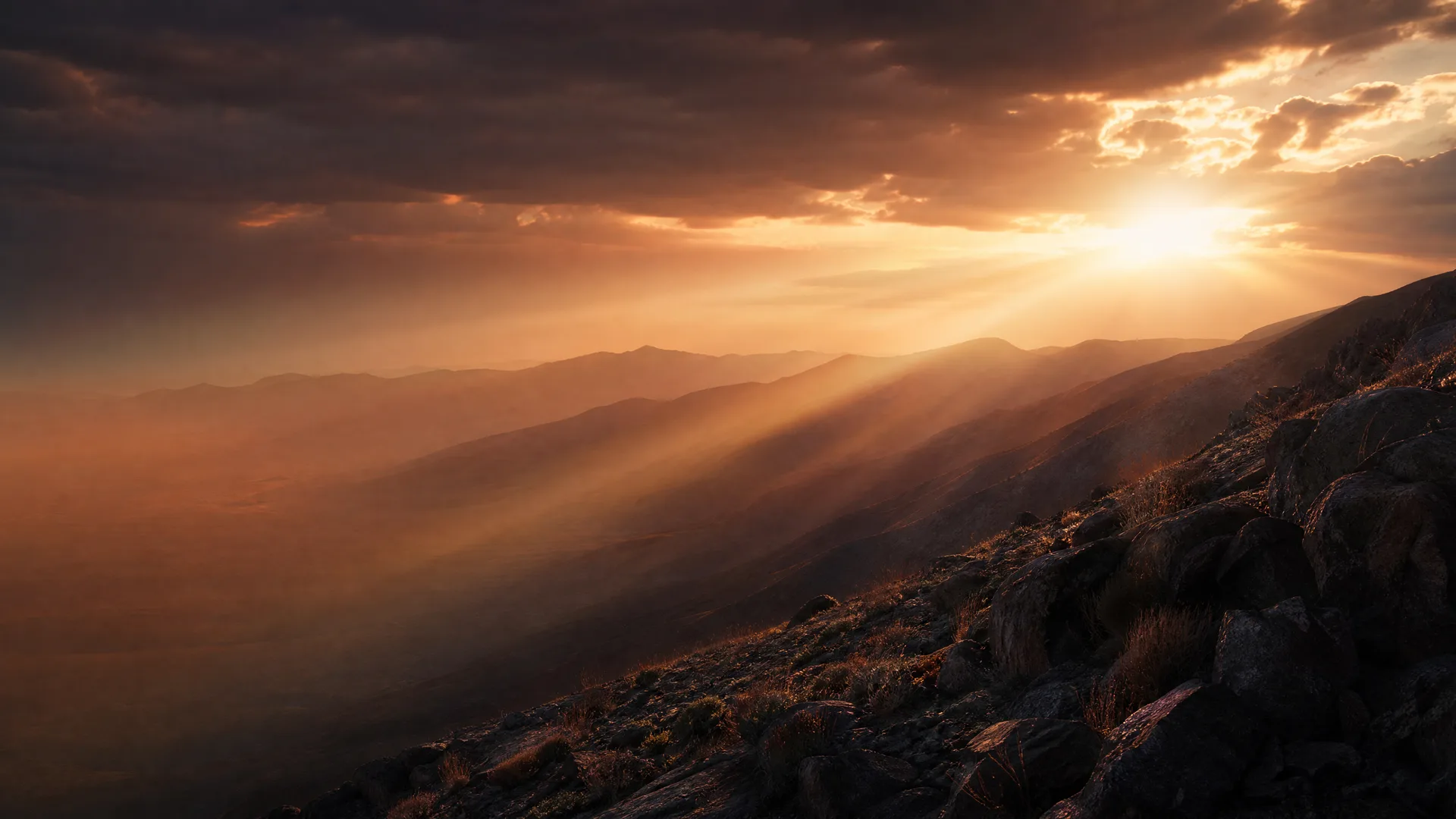

A furnace keeping up
A furnace like this one runs in steady cycles. It reaches 68 to 70 during the day without strain and holds through a stretch of nights below freezing. The flue draws clean and the burners light on the first try, every time.
Say what's going on with your furnace, and a pro who works on them reaches out.
Match me with a proMost people in Wyoming keep the thermostat between 68 and 70 degrees during the day and drop it to 60 or 65 at night. That range heats the house without running the furnace nonstop through a winter that can hold below freezing for weeks. Going much lower doesn't save as much as people expect, because the furnace has to work harder to recover once the house cools down, and pipes in an unheated or barely heated house can freeze. Going much higher just burns more gas for comfort you probably won't notice. Since gas heats most homes here and power is cheap, the bigger cost swing usually comes from how hard and how often the furnace has to run, not the exact number on the dial. A furnace that's been serviced holds that temperature more evenly and doesn't strain to keep up on the coldest nights.

A furnace like this one runs in steady cycles. It reaches 68 to 70 during the day without strain and holds through a stretch of nights below freezing. The flue draws clean and the burners light on the first try, every time.

An older furnace like this one can start to struggle at the same setting that used to heat the house fine. It runs longer to hit 68, or it won't quite get there. That's worth a look before the coldest weeks of the year arrive.

At 68 to 70 during the day, your furnace in a Wyoming winter is going to run for hours at a stretch, not minutes. Weeks below freezing mean the burners are cycling on and off all night to hold that setback temperature, and every cycle puts wear on the igniter and the blower motor. A furnace that's been skipped on maintenance will show it first as short cycling, or as a pilot light or igniter that won't catch on the first try. You'll notice it as a room that won't quite get to temperature, or a gas bill that climbs faster than the thermometer explains.
You don't have to figure out on your own whether that's a dirty flame sensor, a clogged filter, or something further along than either. Getting matched with a contractor who knows gas furnaces in this climate means you describe what you're seeing once, and someone who already knows what a Wyoming winter does to a furnace calls you back to look at it.


Dropping to 60 or 65 overnight doesn't fight the furnace, it rests it. Less heat loss means fewer burner cycles while you sleep. Come morning, the furnace has to recover that lost heat, and in a Wyoming cold snap that recovery draw is the hardest work it does all day. A furnace that can't recover within an hour or so is telling you something about its condition, not about the thermostat setting.

Every cycle, the igniter has to light the burners and the burners have to hold a steady flame long enough to heat the air passing over the heat exchanger. Weeks of below-freezing nights mean that happens dozens of times a day. A weak igniter or a dirty burner can still light most of the time, which is why the problem often goes unnoticed until the one cycle it doesn't.
Walk through your house in the evening. If the room with the thermostat reads 69 but the bedrooms down the hall feel noticeably colder, the furnace is hitting its setting without actually heating the house evenly. Listen for how long the burners run each cycle. A furnace that used to click off in a few minutes and now runs ten or fifteen before it shuts down is working harder to hold the same number on the dial. Check the vents for a weak or lukewarm flow. None of this means your thermostat setting is wrong. It means something in the furnace is losing ground to the cold outside, and left alone through a Wyoming winter, that gap tends to widen, not close on its own.





Answer a few questions instead of calling shop after shop.
A local pro who knows furnaces gets your details and gets in touch.
There's no charge for the request.

You're down in the basement before dinner, checking on the furnace because it's been running more than you'd like to notice. The filter's half pulled out, and it's gone grey, thick with the kind of dust that settles over a dry Wyoming summer and just sits there till heating season starts pulling air through it. Outside it's an October afternoon, that in-between cold where the sun's still up but the air's got an edge to it. You hold the filter up to the light from the small basement window and can't see through it at all. The furnace kicks on behind you, steady, working a little harder than it should have to.


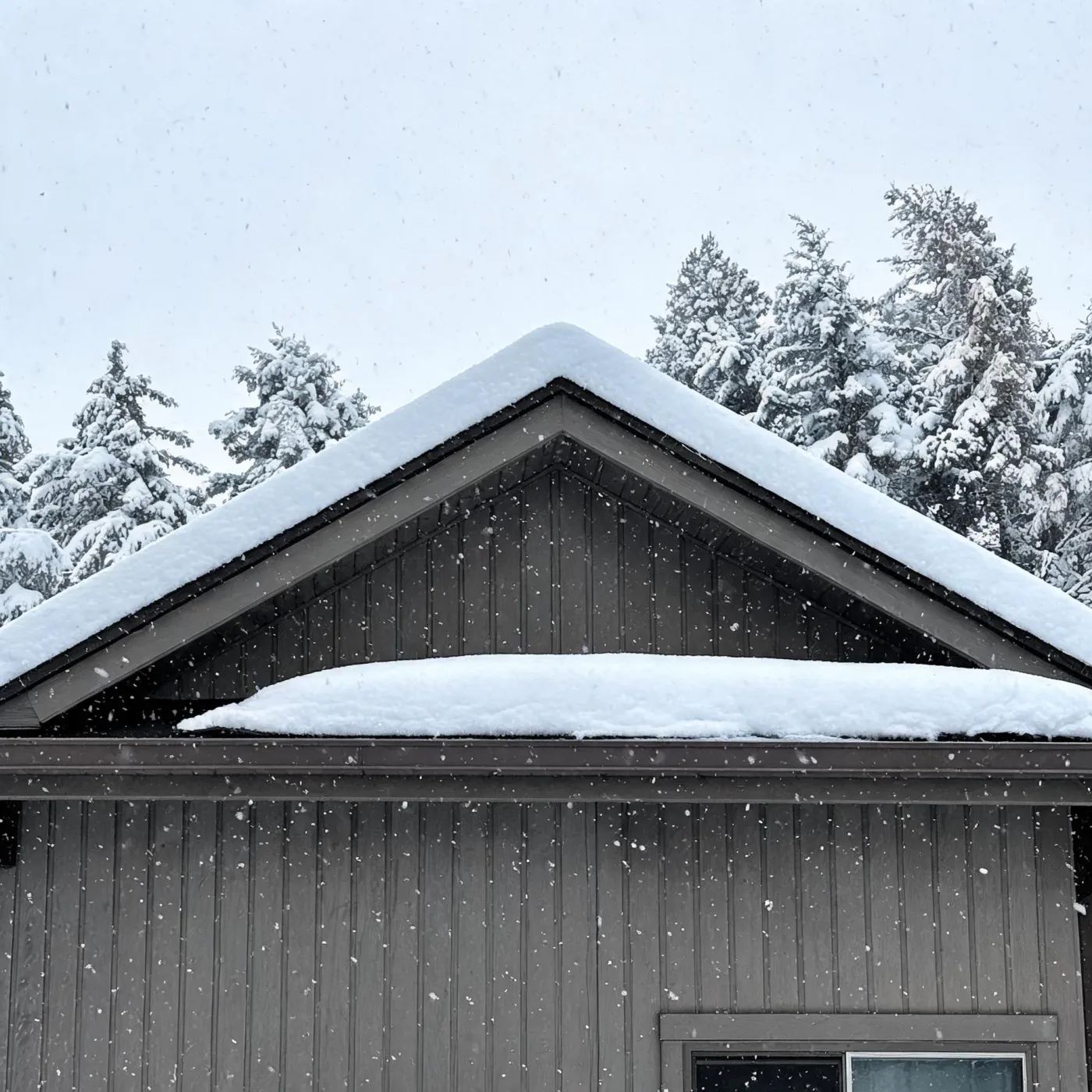
Winter nights average 13°F across Wyoming, according to NOAA climate data. That's the kind of cold that doesn't let your furnace coast. When the air outside sits that far below your thermostat setting, the furnace has to recover a lot of lost heat every time it cycles on, and it does that for hours some nights, not minutes. You'd notice it most as a steady hum from the vents well past midnight, and a basement that never really cools down. A furnace that's behind on maintenance feels that cold first, usually as a burner that struggles to catch or a cycle that runs longer than it used to.
NOAA nClimDiv 1991-2020 county normals weighted by homes


You're the one tracking down contractors, explaining the same furnace trouble to each one, then sitting with quotes trying to compare them before a cold snap hits.
You answer a few questions once and a contractor who covers your area reaches out to you. No more calling around or repeating yourself to get the furnace looked at.
A 13°F night means your furnace is working against a 55-degree gap just to hold 68. That's hours of runtime, not minutes, and it happens most nights from December through February. A furnace that's fallen behind on maintenance feels that gap first.
NOAA nClimDiv 1991-2020 county normals weighted by homes
A thermostat held at 68 to 70 all day, every day, asks a lot of a furnace that's never been serviced. The burners strain to catch up after every cycle, and a weak igniter or a clogged filter shows itself fast.
The same setting on a furnace that's had its yearly service costs it nothing extra. Clean burners and a good flame sensor mean the furnace reaches 68 to 70 and holds it, no matter how long the cold snap runs.


68 to 70 during the day, 60 to 65 at night. That's the setting, and it holds through a Wyoming winter without asking more of the furnace than it can give. The nights that test it average 13 degrees, which means the furnace is closing a 55-degree gap most evenings from December through February. A furnace that's been kept up handles that gap on the first burner cycle. One that hasn't will strain through several, and it tends to show you exactly where it's weak on the coldest night of the month, not some mild Tuesday in October. A clogged filter or a tired igniter doesn't announce itself ahead of time.
Walking the house tells you more than the thermostat does. If the hallway or the back bedroom reads colder than the room with the thermostat, the setting you picked isn't the setting you're actually getting.
None of that requires guessing. It requires a furnace that's been serviced and a reader willing to check a few rooms by hand. What it doesn't have to require is the rest of it: tracking down who services furnaces in your part of Wyoming, calling each one to ask if they're even taking new jobs, explaining the same noise or the same cold bedroom over and over, then sitting with a handful of quotes trying to figure out which one actually answers the problem you described. That part isn't the furnace's problem. It's just the part that eats an evening you'd rather spend on something else.

Matched to your furnace job