 Find my pro
Why your furnace keeps turning on and off in Wyoming
Tell a local repair pro what your furnace is doing.
A furnace that keeps clicking on and off, sometimes a few minutes apart, never quite reaching a steady run, is telling you something specific. In Wyoming, where gas heat carries most homes through the winter and that furnace runs for months at a stretch, this kind of short cycling usually traces back to a handful of things: a dirty flame sensor, a clogged filter choking airflow, a cracked heat exchanger tripping a safety switch, or a thermostat that's lost track of what it's doing. Which one it is matters, because the fix and the risk are different each time.
You could spend an afternoon calling around Wyoming for someone who works on furnaces, explaining the on-off pattern to one dispatcher after another, then doing it again for the next company when the first one can't get out this week. Then you'd still need to compare who actually knows gas furnaces, who's licensed, and who can show up before the cold gets worse.
This page skips that part. Tell it what your furnace is doing and where you are, and it matches you with a contractor who handles exactly this kind of problem in Wyoming. That contractor reaches out to you, not the other way around. No ringing through a list, no repeating the same description of the clicking and the short cycles to three different people, no guessing which quote is from someone who actually knows what's wrong.
What you get isn't a repair itself, not yet. It's the person who can look at your furnace, check the flame sensor and the exchanger and the airflow, and tell you straight what's actually going on in your system. The diagnosing and the fixing come after that, from the contractor, on their own terms. This page's job ends at getting you to the right person without the hours of searching and sorting that usually takes.
Below, the specific causes, what each one means for your furnace, and what tends to separate a quick fix from something that needs more attention.
Why does my furnace keep turning on and off?
Your furnace clicks on, runs a few minutes, then shuts off, then starts again, and it never settles into the long steady run you'd expect on a cold Wyoming day. You're not imagining it, and it's worth figuring out before it either leaves you cold or runs up a bill you didn't need to pay.
A dirty filter or a bad flame sensor is usually behind it
Most short cycling comes down to the furnace overheating and shutting itself off early, or the flame sensor losing track of the flame when it shouldn't. A clogged filter chokes airflow, the heat exchanger gets too hot, and the limit switch cuts the burners before the room warms up. A dirty or worn flame sensor reads a flame that's still burning as if it went out, so the gas valve closes and the whole cycle restarts. Either way, the furnace is protecting itself, not actually heating your house. With Wyoming winters asking a gas furnace to run for months without a break, a unit stuck short cycling works harder and longer to keep up, and that shows up on the gas bill before anything else fails outright.
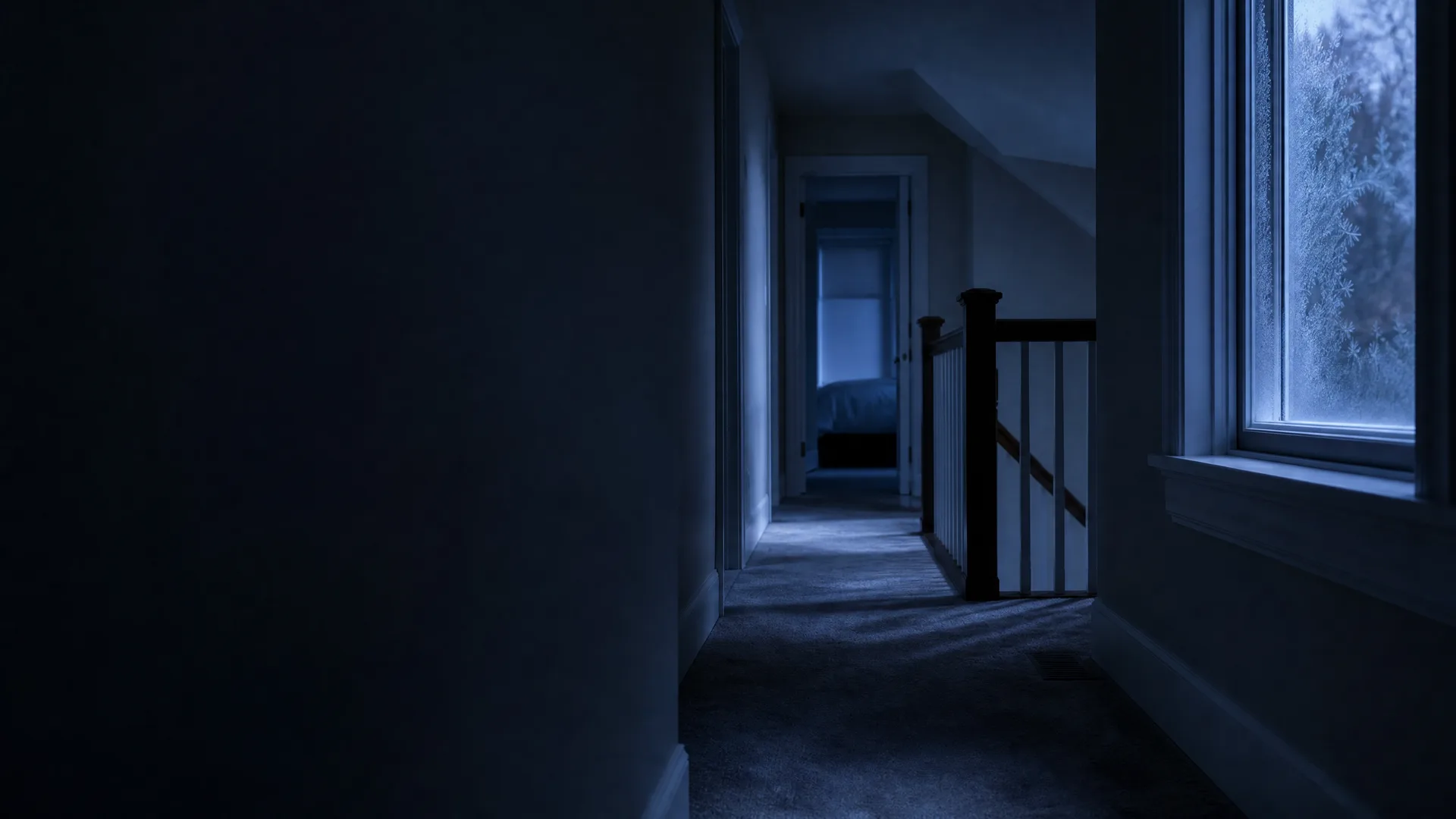
You wake up at two in the morning because the house feels wrong before you know why. Down the hallway the vents are quiet. No air moving, no hum from the floor below. You crouch by one anyway, hand flat against the grate, and feel nothing. The window at the end of the hall has frost climbing the inside edge of the glass, and the light coming through it is that flat blue that only shows up on the coldest nights. Somewhere in the house the thermostat is probably still calling for heat. You stand there in the cold hallway, listening for the furnace to kick back on, and it doesn't.
Get your furnace to the right pro
A furnace that short cycles doesn't fix itself, and running it that way for weeks adds wear to the ignition system and the blower every single cycle. That adds up fast over a Wyoming winter when the furnace is already working harder than it would almost anywhere else. Figuring out whether it's a dirty flame sensor, a clogged filter, a bad thermostat reading, or a furnace that's oversized for the house takes someone who can look at the actual unit, not a guess from a search result. Left alone, you're the one checking the thermostat at midnight, calling a few contractors to see who can come out, explaining the clicking and the short runs to each one, then weighing quotes that may not even be pricing the same fix. Hand off that part now. A contractor who works on furnaces in your area can look at what's actually happening in your house and tell you what it is, while you stop losing sleep over a system that won't settle into a normal run.
What's Actually Happening Inside the Furnace
- A flame sensor coated with a thin layer of residue tells the control board the flame isn't there, so it shuts the gas off a few seconds into the cycle.
- A dirty air filter chokes airflow across the heat exchanger, and the limit switch trips on rising heat and cuts the burners before the blower catches up.
- A thermostat mounted somewhere it reads the room wrong, near a lamp or a draft, cycles the furnace faster than the house actually needs.
- An oversized furnace heats the air so fast it satisfies the thermostat in minutes, then shuts off long before the house is evenly warm.
- A cracked or failing igniter lights the burners inconsistently, so the furnace tries, fails, and resets itself over and over.
- A blocked intake or exhaust vent outside the house can trip the pressure switch and stop a cycle partway through.
Short cycling almost always traces back to one of two things: the furnace thinks it did its job and shuts down early, or the furnace thinks something's wrong and shuts down to protect itself. Both look the same from the living room. A flame sensor is a thin metal rod sitting right in the burner flame, and its only job is to confirm fire is actually present. Residue builds up on it over months of use, and once it's coated enough, the control board reads no flame even though there is one, and it kills the gas valve as a safety response. The limit switch works on a similar principle but watches temperature instead of flame. It sits near the heat exchanger, and if airflow across that exchanger is restricted, usually by a filter that hasn't been changed, heat backs up faster than the blower can move it out, and the switch trips to keep the exchanger from overheating. A thermostat in the wrong spot reads a temperature that isn't the house's real temperature, so it tells the furnace to shut off before the rooms down the hall have actually warmed. Sizing works against you too: a furnace built for a bigger house than the one it's in blasts enough heat to satisfy the thermostat in minutes, then sits idle while the house unevenly cools again. An igniter that's cracked or weakening lights the burners inconsistently cycle to cycle, so the furnace keeps resetting itself trying to get a clean light. And outside, a vent pipe blocked by snow or ice can trip the pressure switch mid-cycle, stopping things before they've properly started.


Winter nights average 13°F statewide, per NOAA. At that temperature your furnace isn't just warming the house, it's fighting a steady, large gap between inside and outside air, so it calls for heat more often and for longer stretches. A furnace that's short cycling has no business handling that load. Every time it shuts down a few minutes in, the house starts losing ground again, and by the time it fires back up it's working from further behind. On a night that cold, you'll notice it first as a room that never quite warms past lukewarm, no matter how long the furnace has been running on and off.
NOAA nClimDiv 1991-2020 county normals weighted by homes

A furnace that short cycles has a reason, and it can be found
Short cycling isn't random. A flame sensor that needs cleaning, a filter choking airflow, a limit switch tripping early, a thermostat placed wrong: each one shows up the same way, with the furnace firing and quitting before it settles into a run. Once you know that, the clicking on and off stops being a mystery and starts being a problem with an answer. Through a Wyoming winter, that answer matters more than it would most places, since the furnace is the only thing standing between your family and 13 degrees outside.
Finding who can look at it is its own chore, separate from the problem itself. Calling around, explaining the same clicking and shutting off to three different shops, waiting on quotes that don't compare cleanly against each other. You can skip that part. Answer a few questions about what your furnace is doing and you'll be matched with a contractor who works on these systems in Wyoming, and they'll reach out to you directly. The diagnosis still has to happen. Finding someone to do it doesn't have to be the hard part.





Furnace Repair
The right pro for this job
Fill out one short form instead of calling around.
