Tell us about the job
Takes about a minute. No obligation.
A furnace repair call in Washakie County starts with the burner assembly and the heat exchanger, because those are the parts that have been cycling the longest. Homes in Washakie County, WY run heat about nine months a year, from September through May. That kind of accumulated runtime cracks heat exchangers, wears out igniters, and fatigues the burner itself long before other components show trouble. A contractor who skips straight to the thermostat or the blower motor on a first diagnosis is working the wrong end of the job.
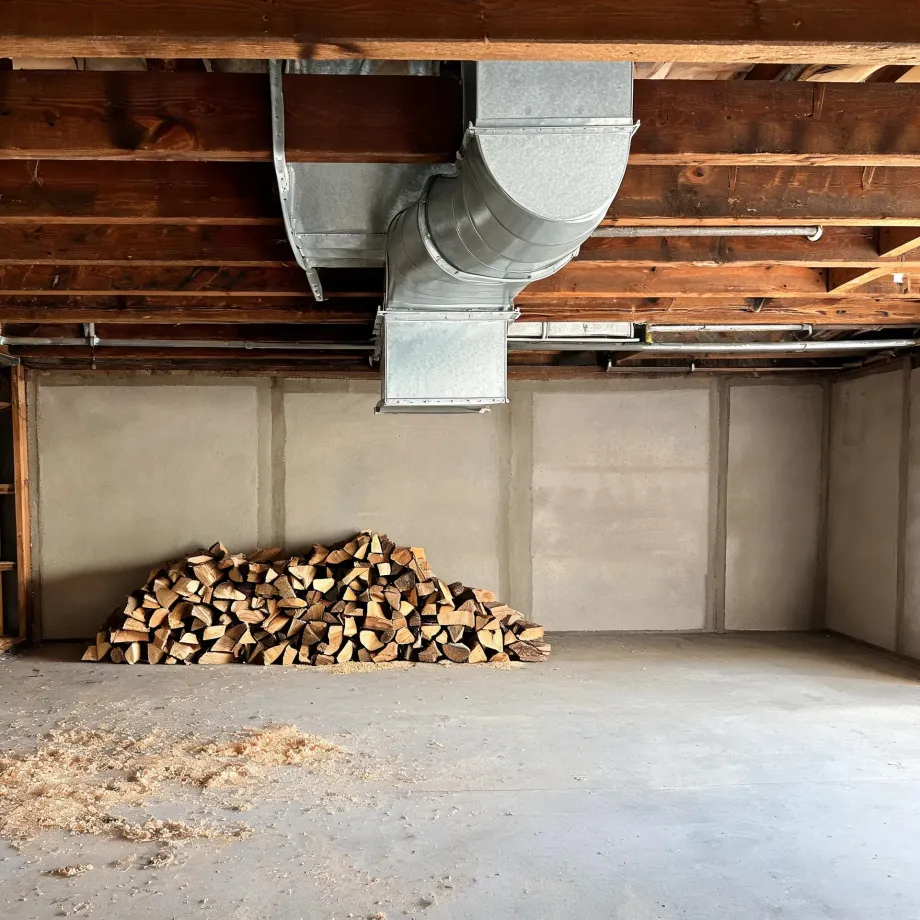
Ductwork routed through a house built for one heating system and adapted for another carries the marks of that history in places a contractor reaches only after opening the furnace itself. Half the homes in Washakie County, Wyoming were built in 1972 or earlier (2020-2024 ACS 5-year). That depth of housing stock means a repair call here often uncovers wear patterns that differ from what the thermostat reading or the short-cycling behavior suggested at the door. Cracked heat exchangers, burner assemblies running on substituted parts, flue connections that have shifted through years of thermal cycling: what the opened unit shows is what sets the repair scope, and an estimate built before that inspection is an estimate built on the wrong information.
The Parts of a Furnace a Contractor Checks First
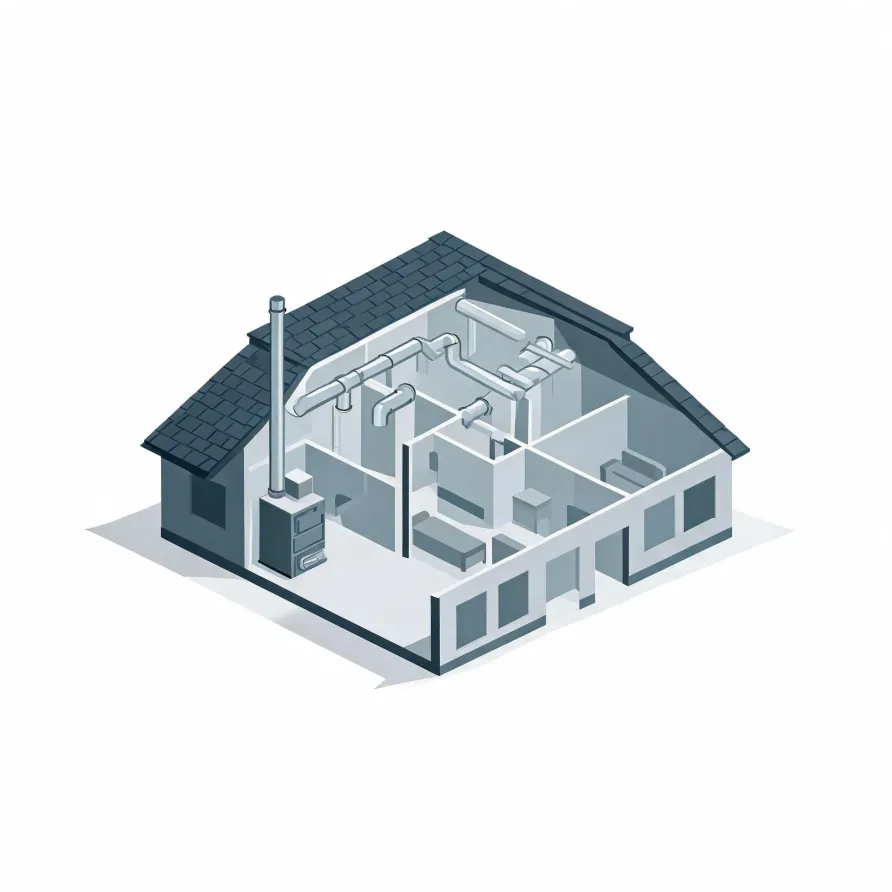
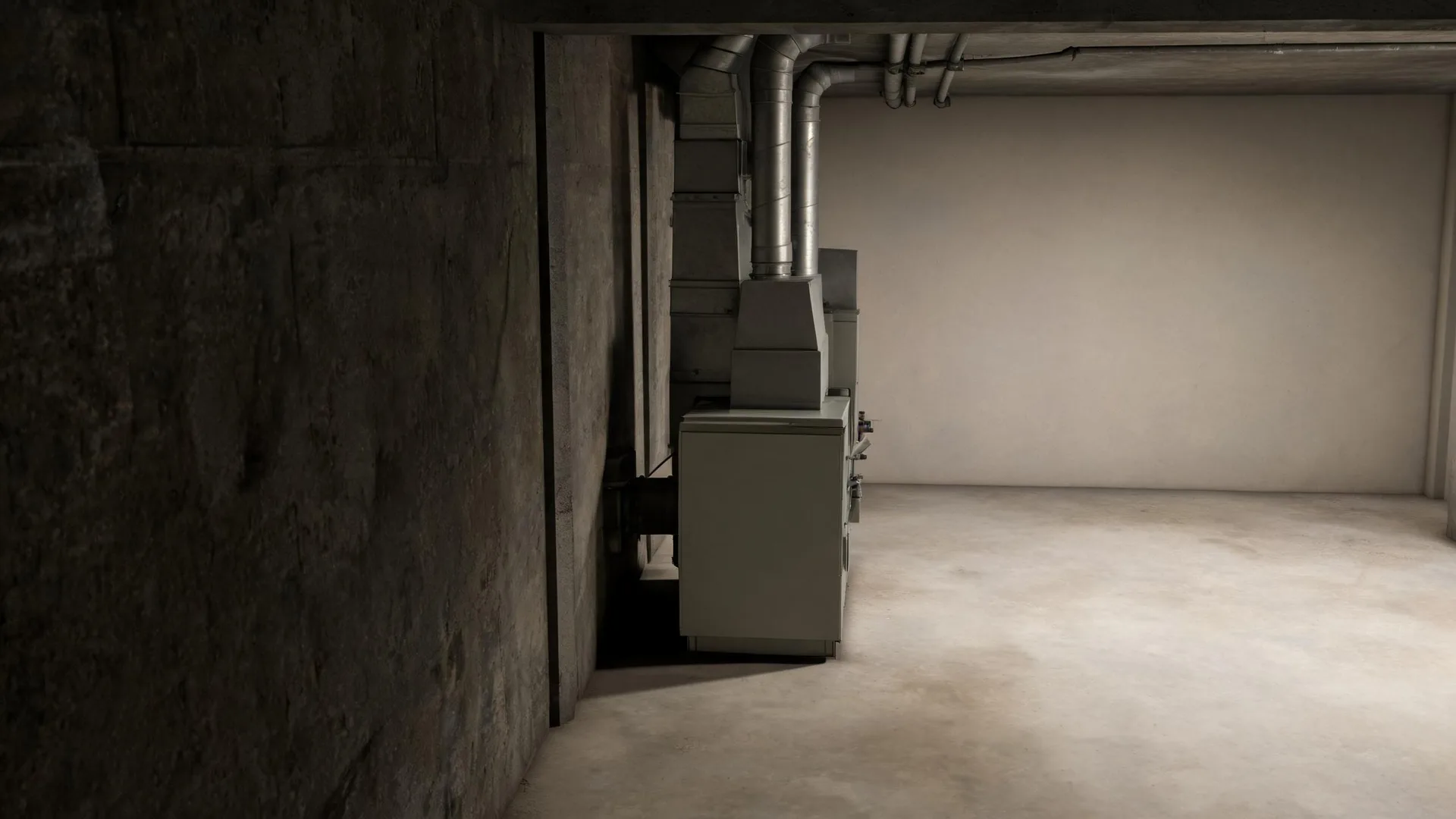
The heat exchanger sits at the core of the furnace cabinet, inside the main unit in your basement, utility room, or closet. It is where combustion heat transfers to the air moving through your home, and a crack or failure there is what a contractor looks for when the furnace runs but the house stays cold or when carbon monoxide is a concern. The burners sit just below it and are among the first things a contractor looks at when ignition fails or the flame behaves oddly.
The blower motor and fan assembly sit at the base of the cabinet and push conditioned air out through the supply side of your duct system. Alongside those, the flue or exhaust vent runs from the top of the furnace through the wall or roof, and the gas valve and igniter control how and when combustion starts. When a furnace short-cycles, refuses to start, or runs without producing heat, the contractor traces the fault through these components.
The drawing shows a general layout of a furnace system, and a licensed contractor determines exactly which components apply to your house and its setup.
Find a contractor in Washakie CountyWashakie County, by the record
84 severe weather events were recorded in Washakie County, Wyoming between 2015 and 2024.
NOAA National Centers for Environmental Information, Storm Events Database, bulk CSV export, events 2015-01-01 through 2024-12-31.Half the homes in Washakie County, Wyoming were built in 1972 or earlier (2020-2024 ACS 5-year).
U.S. Census Bureau, 2020-2024 American Community Survey 5-Year EstimatesWashakie County, Wyoming holds 3,854 housing units (2020-2024 ACS 5-year).
U.S. Census Bureau, 2020-2024 American Community Survey 5-Year EstimatesOwners occupy 74.2% of the occupied homes in Washakie County, Wyoming (2020-2024 ACS 5-year).
U.S. Census Bureau, 2020-2024 American Community Survey 5-Year EstimatesFurnace Repair Rules & Standards on the Books for Washakie County, Wyoming4 sourced regulations and codes
What the Repair Visit Looks Like
Non-weatherized gas furnaces manufactured on or after November 19, 2015 must reach 80.0 percent AFUE.
Non-weatherized oil-fired furnaces manufactured on or after November 19, 2015 must reach 83.0 percent AFUE.
Mobile home gas furnaces manufactured on or after November 19, 2015 must reach 80.0 percent AFUE.
Non-weatherized gas furnaces manufactured on or after December 18, 2028 must reach 95.0 percent AFUE, up from the 80.0 percent minimum that applies to units manufactured before that date.
Severe Weather Events in Washakie County
Washakie County's weather puts real stress on furnaces, and the harder a system works through rough conditions, the sooner parts wear out or fail. Repair demand here follows that pattern, which makes local weather history a practical part of understanding what heating equipment goes through.
84 severe weather events, 2015–2024. Source: NOAA National Centers for Environmental Information, Storm Events Database.