Tell us about the job
Takes about a minute. No obligation.
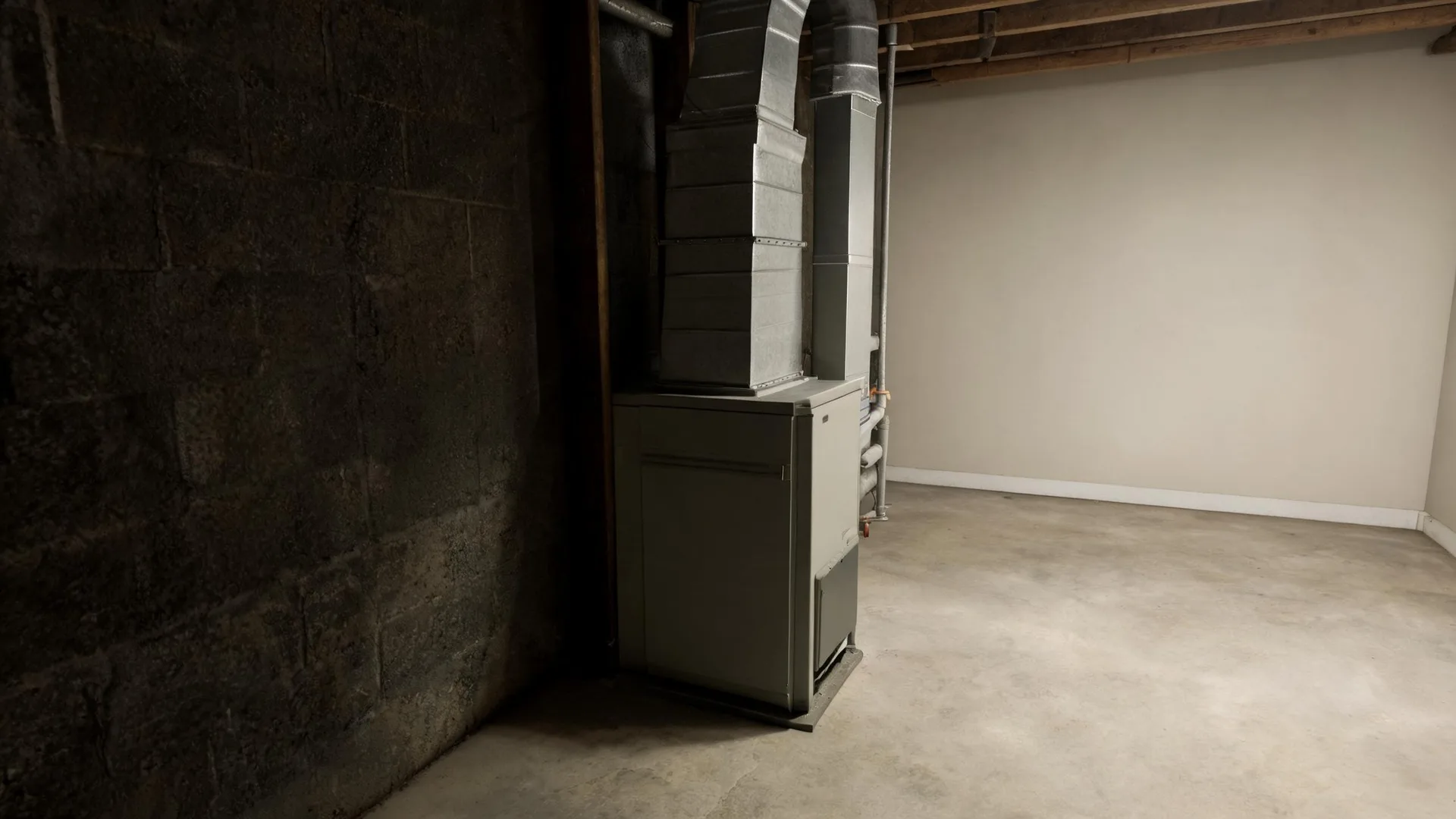
A furnace repair in Albany County starts with what the burner and heat exchanger have already been through. Homes in Albany County, WY run heat about ten months a year, from September through June. By the time a component fails, the ignition system, the heat exchanger, and the burner assembly have been cycling together through the same long workload. A contractor looking at a cracked heat exchanger here also checks the igniter and the flame sensor, because they have run the same hours and tend to fail close together in time.
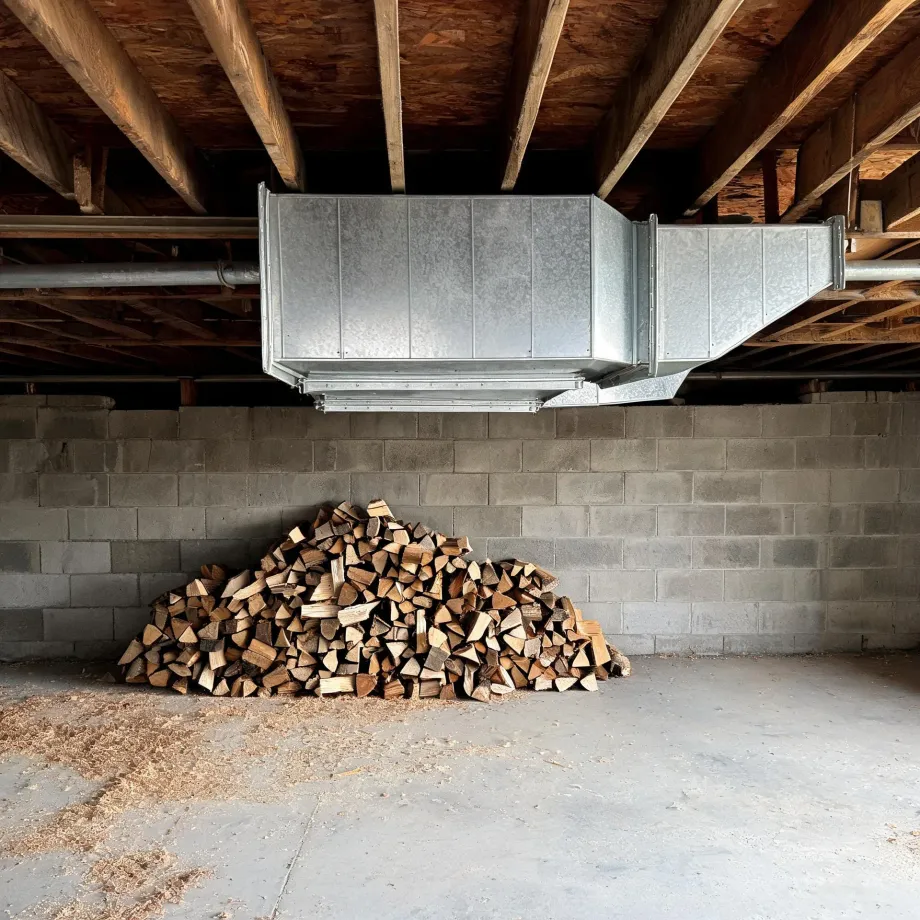
Furnaces in a house that has cycled through multiple heating systems are often running gear that nobody around it was originally sized for. Half the homes in Albany County, Wyoming were built in 1978 or earlier (2020-2024 ACS 5-year). That history means a contractor opening a failed furnace here is checking two things before anything else: whether the cracked heat exchanger, worn inducer, or failed control board takes parts that are still in production, and whether the repair is worth doing on a unit the surrounding system was never configured to support. When parts are discontinued, the job changes from a component swap to a conversation about replacement scope. That determination comes from what is inside the unit, not from the address.
The Parts of a Furnace a Contractor Checks First
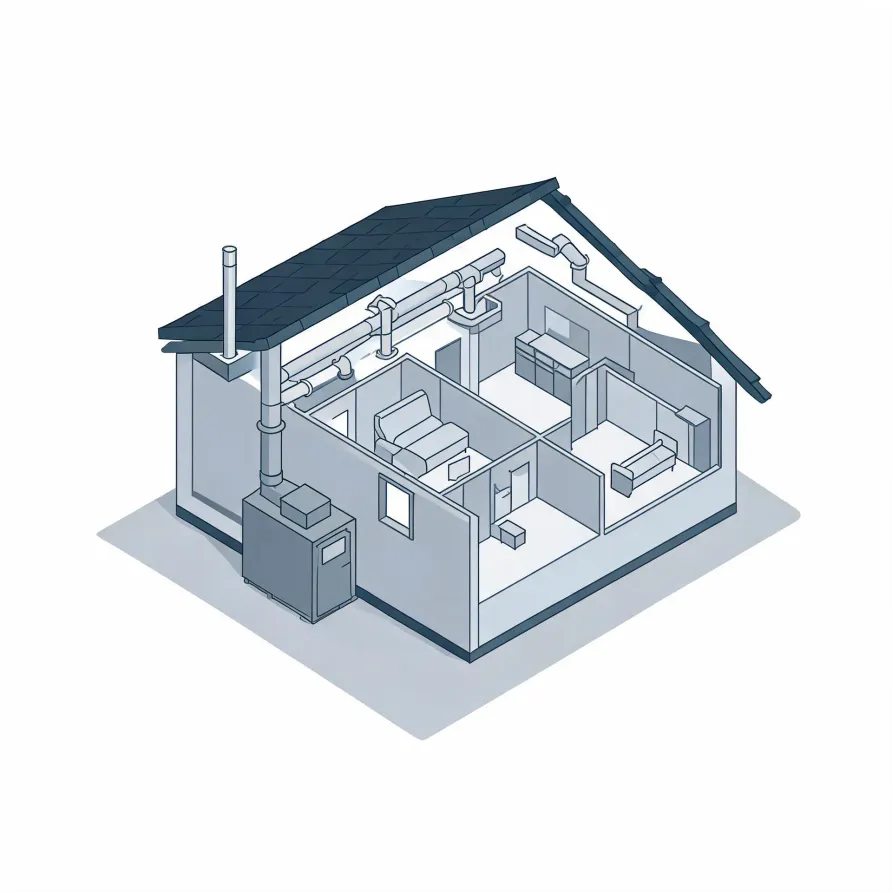
The heat exchanger sits at the center of the furnace cabinet, inside the main unit that usually stands in a basement, utility room, or closet. It is where combustion heat passes into the air your home circulates, and when it cracks or corrodes, the furnace either shuts down on a safety switch or begins moving combustion gases where they should not go. The burner assembly feeds the heat exchanger directly, and a contractor looks at both together.
The blower motor sits below or behind the heat exchanger and pushes conditioned air out through the supply side of the house. The inducer motor and the flue venting draw combustion exhaust out of the cabinet, and a failed inducer is a frequent cause of a furnace that starts and then quickly shuts off. The control board ties all of it together, reading signals from the thermostat and telling each component when to run.
The drawing shows a typical furnace layout, and a licensed contractor will determine which components apply to your specific system and situation.
Find a contractor in Albany CountyAlbany County, by the numbers
3,728 severe weather events were recorded in Albany County, Wyoming between 2015 and 2024.
NOAA National Centers for Environmental Information, Storm Events Database, bulk CSV export, events 2015-01-01 through 2024-12-31.Half the homes in Albany County, Wyoming were built in 1978 or earlier (2020-2024 ACS 5-year).
U.S. Census Bureau, 2020-2024 American Community Survey 5-Year EstimatesAlbany County, Wyoming holds 18,851 housing units (2020-2024 ACS 5-year).
U.S. Census Bureau, 2020-2024 American Community Survey 5-Year EstimatesOwners occupy 50.0% of the occupied homes in Albany County, Wyoming (2020-2024 ACS 5-year).
U.S. Census Bureau, 2020-2024 American Community Survey 5-Year EstimatesCodes & Standards Covering Furnace Repair in Albany County, Wyoming4 sourced rules and standards
What the repair visit looks like
Non-weatherized gas furnaces manufactured on or after November 19, 2015 must reach 80.0 percent AFUE.
Non-weatherized oil-fired furnaces manufactured on or after November 19, 2015 must reach 83.0 percent AFUE.
Mobile home gas furnaces manufactured on or after November 19, 2015 must reach 80.0 percent AFUE.
Non-weatherized gas furnaces manufactured on or after December 18, 2028 must reach 95.0 percent AFUE, up from the 80.0 percent minimum that applies to units manufactured before that date.